
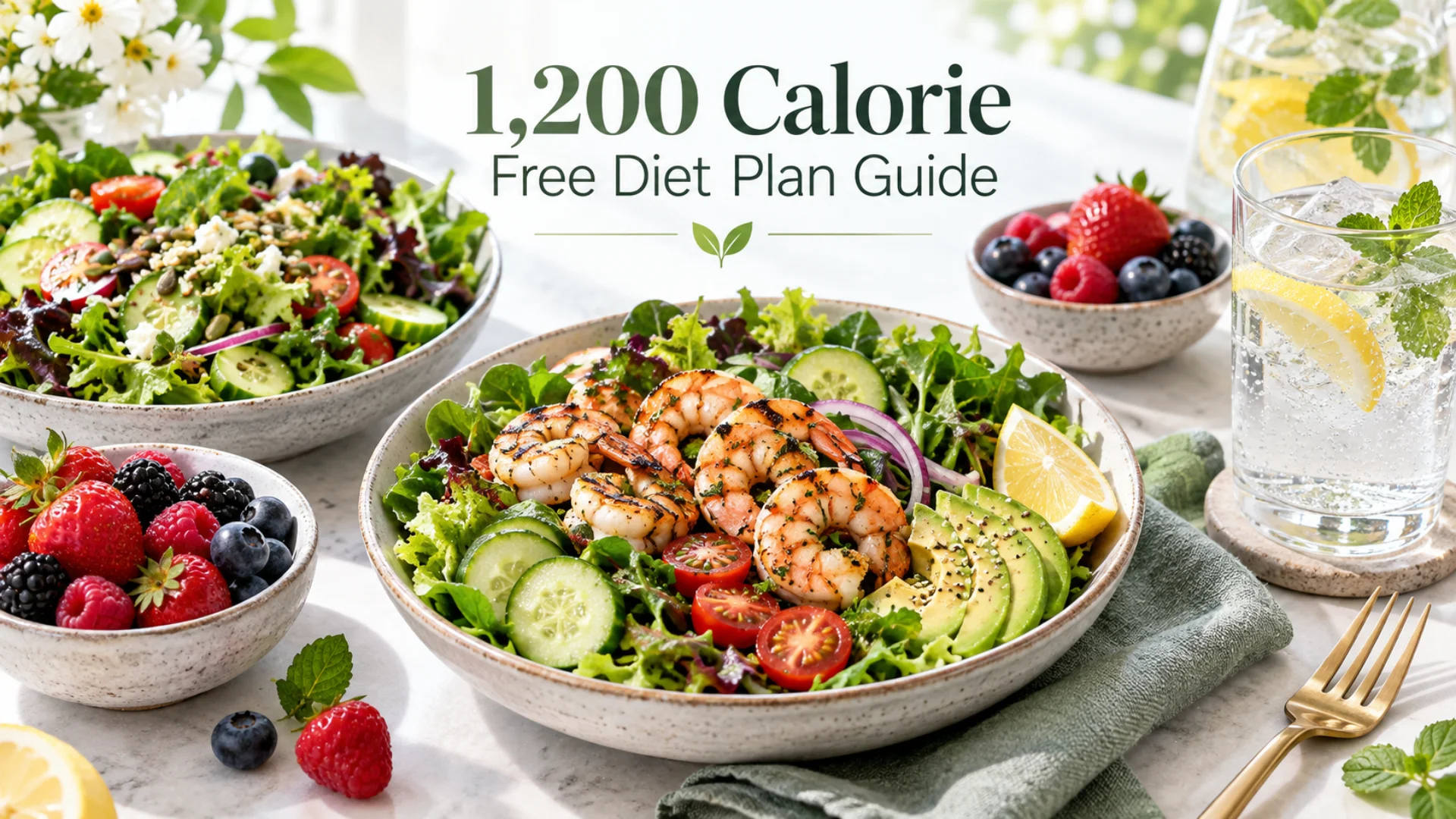
Navigating the world of weight loss often leads people toward aggressive energy restriction. Following a 1200 calorie free diet plan is a popular strategy for individuals seeking noticeable physical transformation. However, drastically reducing your daily food intake requires a careful balance between safety and performance. When executed properly with whole ingredients, a lower calorie target can encourage efficient body fat reduction. Conversely, restricting calories without proper planning can lead to nutritional deficiencies, constant hunger, and muscle tissue loss.
Before starting any low-calorie protocol, you must understand how your body uses energy daily. Downloading a low calorie diet plan pdf provides a structured meal framework that eliminates guesswork during grocery shopping and prep. Furthermore, using a reliable safe calorie deficit guide ensures that your body receives essential micronutrients while losing weight safely. Taking an educated approach allows you to achieve your physical goals while protecting your baseline metabolic health.
Understanding a 1200 Calorie Free Diet Plan
A daily intake of 1,200 calories represents the general lower limit of safe intake for most adult women seeking fat loss. For petite or sedentary individuals, this target creates an effective energy deficit without triggering extreme fatigue. Following a structured 1200 calorie free diet plan helps manage daily portions while keeping your blood sugar stable throughout the afternoon.
However, smaller calorie targets are not universally appropriate for everyone. Taller individuals, men, or active adults usually require higher energy levels to avoid metabolic slowdown. To determine your minimum baseline requirements, you can check your baseline energy needs on our free diet plan generator before cutting calories to ensure this intake matches your physical frame. Using a tailored 1200 calorie free diet plan prevents unwanted muscle breakdown and keeps your overall vitality elevated.
Evaluating the Safety of Low-Calorie Eating
When you reduce daily food volume, every bite you consume must carry high nutritional value. Relying on nutrient-void convenience foods on a low-calorie budget quickly leads to severe vitamin deficiencies and intense food cravings.
Potential Risks of Aggressive Restriction
Cutting energy too low can cause your body to enter an adaptive thermogenesis state, commonly called metabolic adaptation. In this state, your resting expenditure drops, making continued weight loss much harder over time. Additionally, inadequate intake can cause hair thinning, brittle nails, and lower sleep quality.
Who Should Avoid 1,200 Calories?
Highly active individuals, athletes, pregnant women, and men generally should avoid dropping to 1,200 calories. For these groups, a severe deficit leads to physical exhaustion, hormonal imbalances, and significant muscle tissue loss.
Following a safe calorie deficit guide helps you identify whether a lower target suits your body composition, keeping your weight loss journey safe and sustainable.
Core Foods for a Nutrient-Dense 1,200 Calorie Menu
Succeeding on a reduced calorie budget relies on volume eating. Volume eating involves choosing low-calorie foods that take up substantial space in your stomach, signaling fullness to your brain without exceeding your targets.
High-Volume Vegetables: Spinach, kale, cucumbers, zucchini, bell peppers, broccoli, and cauliflower offer essential vitamins, water, and fiber with minimal calories.
Lean Proteins: Egg whites, skinless chicken breast, wild cod, shrimp, non-fat Greek yogurt, and firm tofu preserve lean muscle while keeping you full for hours.
Complex Carbohydrates: Rolled oats, sweet potatoes, quinoa, and fresh berries deliver sustained physical energy and essential antioxidants.
Controlled Healthy Fats: Small portions of extra virgin olive oil, chia seeds, flaxseeds, and almonds support joint health and essential hormone synthesis.
Referencing a low calorie diet plan pdf helps you portion these food groups accurately, ensuring your meals remain filling, nutrient-rich, and within your targets.
A Sample Day on a 1200 Calorie Free Diet Plan
Structuring your daily menu evenly prevents afternoon energy crashes and keeps hunger managed. Here is an example of how a balanced 1,200-calorie day looks:
Breakfast (Approx. 250 Calories)
1 whole egg plus 2 egg whites scrambled with a large handful of fresh spinach and cherry tomatoes.
1 slice of whole-grain toast.
1 cup of plain black coffee or green tea.
Mid-Morning Snack (Approx. 100 Calories)
1/2 cup of non-fat Greek yogurt topped with 1/4 cup of fresh raspberries.
Lunch (Approx. 350 Calories)
4 ounces of grilled chicken breast served over a massive bed of mixed dark greens, sliced cucumbers, and radishes.
Drizzle with 1 teaspoon of extra virgin olive oil and fresh lemon juice.
1/2 cup of cooked quinoa.
Afternoon Refresher (Approx. 100 Calories)
1 medium sliced cucumber sprinkled with sea salt and black pepper.
10 raw almonds.
Dinner (Approx. 400 Calories)
5 ounces of baked white fish (such as cod or tilapia).
1 cup of steamed broccoli and cauliflower florets.
4 ounces of roasted sweet potato cubes.
Utilizing a low calorie diet plan pdf makes tracking these portions easy, allowing you to enjoy flavorful dishes while staying aligned with your daily limit.
Essential Strategies for Sustainable Success
Maintaining consistency on a 1,200-calorie target requires practical daily habits that keep physical appetite managed. Hydration remains a crucial tool, as mild dehydration is frequently mistaken for hunger. Drinking a large glass of water before every meal helps fill your stomach and aids smooth digestion. According to dietary guidance from the National Institutes of Health, prioritizing whole foods during a weight loss phase improves metabolic resilience and overall longevity.
Proper sleep is another essential pillar when following a safe calorie deficit guide. Restricting calories places mild stress on your body, making nightly recovery necessary for hormonal balance. Aiming for seven to eight hours of rest reduces circulating ghrelin levels, helping prevent intense morning cravings. You can also review our guide on clean eating principles to learn how choosing unrefined ingredients keeps your digestive system healthy.
Overcoming Plateaus and Transitioning Out
Weight loss plateaus happen naturally as your body weight decreases. When physical progress stalls on a 1,200-calorie intake, avoid cutting your food further. Instead, incorporate light daily activity, such as a 30-minute evening walk, to increase your energy output safely.
Once you reach your target body weight, transition out of your low-calorie phase gradually through a process known as reverse dieting. Increasing your daily intake by 50 to 100 calories each week helps rebuild your resting metabolism without triggering rapid fat regain. Sticking to a structured 1200 calorie free diet plan keeps your nutrition stable during weight loss while preparing you for a successful maintenance phase.
“If 1,200 calories feels too restrictive for your daily activity, try our slightly higher 1,500 calorie free diet plan for beginners.”
“To find out if 1,200 calories matches your daily expenditure, learn how to calculate calorie needs for a free diet plan.”
Frequently Asked Questions
Q: Can I build muscle while following a 1200 calorie free diet plan?
A: Building new muscle mass requires an energy surplus or maintenance calories. However, consuming high protein on 1,200 calories helps preserve existing muscle tissue while dropping body fat.
Q: What should I do if I feel dizzy or overly fatigued on this plan?
A: Dizziness or extreme fatigue indicates that your calorie deficit is too severe. You should immediately increase your daily intake by 200 to 300 calories using healthy whole foods.
Q: How long can I safely stay on a 1,200-calorie meal schedule?
A: Most individuals should follow a low-calorie intake for no more than 8 to 12 consecutive weeks before taking a brief maintenance break to support metabolic health.
Q: Are cheat meals acceptable on a low calorie diet plan pdf schedule?
A: Instead of large cheat meals that can undo a weekly calorie deficit, incorporate controlled high-calorie refeed days every few weeks to restore energy and relieve diet fatigue.