
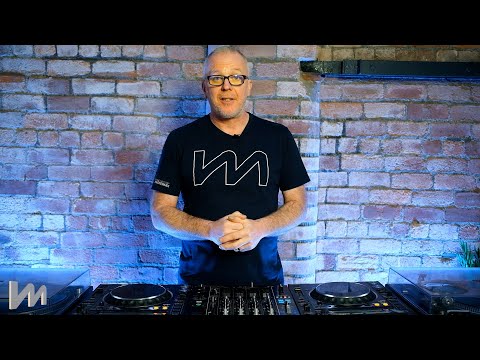
Best DJ Music for Beginners – Practical Guidance to Start Mixing
What Makes a Track Suitable for Beginner DJs?
When you are first learning to DJ, not every track will feel comfortable under the decks. The best dj music for beginners typically has a clear, steady tempo, simple structure and predictable breaks. These characteristics give you more breathing room to practice beat‑matching and phrasing without getting lost in complex arrangements.
Look for songs that sit in the 120‑130 BPM range, feature a four‑on‑the‑floor kick drum, and have distinct intro and outro sections. Such tracks allow you to focus on timing and transition techniques before you start experimenting with more layered productions.
Essential Genres and Starter Tracks
Choosing the right genre can speed up your learning curve. Genres with steady rhythms—like house, techno, and classic disco—are popular entry points. Below is a quick checklist of genre traits and a few universally‑liked tracks that work well in a beginner’s set.
Key Genres
- House – clean basslines and regular hi‑hat patterns.
- Techno – driving beats with minimal melodic clutter.
- Disco – upbeat grooves and easy‑to‑follow structures.
- Pop‑remixes – familiar melodies that keep the crowd engaged.
Starter Track Suggestions
- “One More Time” – Daft Punk (House)
- “Blue Monday” – New Order (Techno‑ish)
- “Le Freak” – Chic (Disco)
- “Feel So Close (Extended Mix)” – Calvin Harris (Pop‑house)
These selections are widely available on major DJ music services and provide a solid foundation for practising basic mixes.
How to Choose a DJ Music Library Service
There are many platforms that supply high‑quality tracks, but not all are suited to a beginner’s budget or workflow. When evaluating a service, consider the following factors:
- Catalogue breadth – Does it cover the genres you want?
- Search and filter tools – Are you able to find tracks by BPM, key, or energy level?
- Licensing clarity – Does the service provide the rights needed for live gigs and streaming?
- Pricing structure – Is there a monthly plan, pay‑as‑you‑go, or a one‑off purchase option?
For an unbiased overview, you might explore the best dj music page, which compares the most popular services side by side.
Setting Up Your First DJ Playlist
Creating a cohesive playlist is more than just stacking favourite tracks together. A well‑planned set helps you maintain energy flow and gives you confidence when you’re learning to transition.
Step‑by‑Step Process
- Define the intended vibe – is it a warm‑up, peak‑time, or chill‑out segment?
- Select 8‑12 tracks that match the desired BPM range (e.g., 122‑126 BPM for a house set).
- Arrange tracks so that each subsequent song shares a compatible key or harmonic relationship.
- Tag each track with cue points for intros, breaks and outro loops.
- Test the sequence in a rehearsal session, adjusting order for smoother energy ramps.
By following these steps, you’ll develop a playlist that feels natural to mix and keeps the crowd engaged.
Practical Mixing Techniques for New DJs
With your playlist ready, the next challenge is learning how to blend tracks seamlessly. The following techniques are fundamental for beginners:
- Beat‑matching by ear – Adjust the tempo slider until the beats align.
- Phrase matching – Ensure both tracks are at the same musical phrase (usually 32 beats).
- EQ cuts – Lower the bass on the outgoing track while introducing the bass of the incoming track to avoid clashing frequencies.
- Use of effects sparingly – Simple filters or echo can smooth a transition but should not dominate the mix.
Practice each technique in isolation before combining them. Record your sessions, listen back, and note any timing mismatches or abrupt volume changes.
Legal and Licensing Considerations
Even as a hobbyist, you need to understand the basics of music licensing. In the United Kingdom, performance rights are managed by organisations such as PRS for Music and PPL. When you play tracks from a licensed DJ service, those organisations are usually covered, but it’s worth confirming.
If you plan to stream your sets online (e.g., on Twitch or YouTube), you must also check the platform’s music policy. Some services offer a “streaming‑safe” licence that automatically clears tracks for online broadcast.
Budget‑Friendly Options and Pricing Overview
Below is a concise comparison of three popular DJ music platforms that cater to beginners. Prices are quoted in GBP and reflect the standard monthly subscription as of 2026.
| Service | Catalogue Size | Monthly Cost | Key Features for Beginners |
|---|---|---|---|
| DJ Hub | ≈ 30 million tracks | £19.99 | Advanced BPM/key search, curated beginner playlists, licence included for live gigs. |
| Spin Stream | ≈ 15 million tracks | £12.99 | Simple UI, unlimited downloads, basic streaming‑safe licence. |
| BeatVault | ≈ 22 million tracks | £14.99 | Integrated cue‑point editor, community‑rated starter mixes, 30‑day free trial. |
All three services offer trial periods, so you can test the catalogue and workflow before committing to a subscription.
Support, Community, and Ongoing Learning
Choosing a platform with strong support can accelerate your progress. Look for services that provide:
- Responsive help desks or live chat.
- Extensive knowledge bases with video tutorials.
- Active user forums where you can exchange track recommendations and mixing tips.
Additionally, many DJ schools and online academies in the UK offer free introductory webinars that focus on the fundamentals of mixing with the best dj music for beginners. Engaging with these resources keeps your skills up‑to‑date and helps you build a network of fellow enthusiasts.
Frequently Asked Questions
Do I need expensive equipment to start?
No. A basic controller that connects via USB to your laptop, coupled with free DJ software such as Mixxx, is sufficient for practising the concepts covered in this guide.
Can I use the same tracks for live gigs and online streams?
Only if the service’s licence explicitly covers both public performance and online streaming. Always check the terms before broadcasting.
How often should I update my music library?
Regularly. New releases keep your sets fresh, but maintain a core set of timeless tracks that you’ve already mastered.