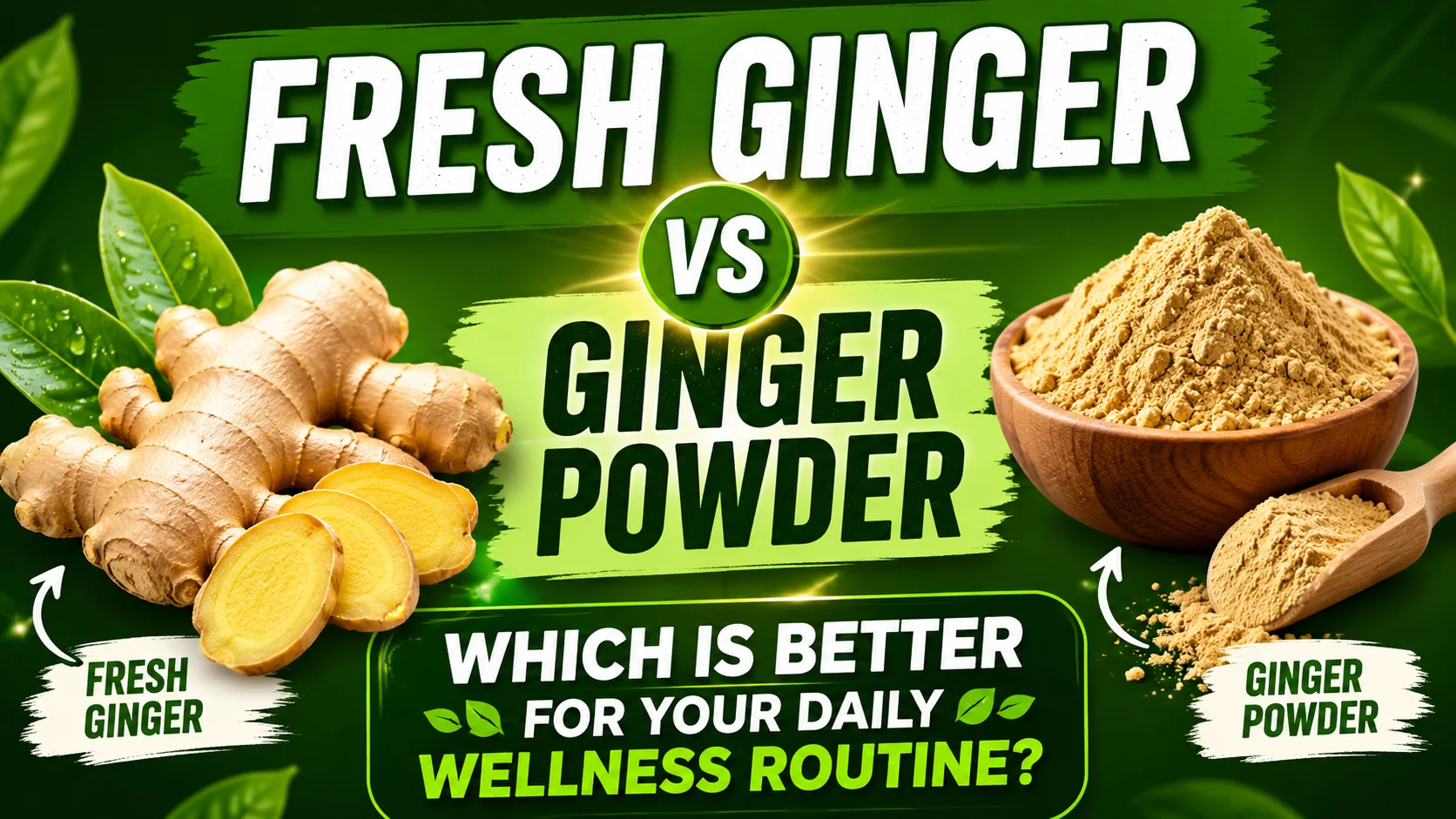
When you are building a clean, vibrant lifestyle, finding the most potent way to supplement your body with whole foods is a top priority. Ginger has stood the test of time as an elite, anti-inflammatory powerhouse for both digestion and immunity. However, a common dilemma arises when organizing your kitchen shelves: when comparing fresh ginger vs ginger powder, which version truly delivers the best results for your body?
Understanding the unique biochemical shifts that occur when this healing root is dried changes how you supplement. Consequently, choosing the right form ensures you extract the exact active compounds your cellular health demands every day.
The Biological Reality: How Heat Alters the Compounds
The debate between powdered ginger vs fresh ginger is not just about convenience or texture; rather, it comes down to molecular biology. The raw, fresh root is completely saturated with water weight and a highly volatile liquid antioxidant known as gingerol. This primary compound is what gives raw ginger its sharp, pungent kick and makes it incredibly effective for immediate relief.
According to biochemical profiles published by the National Institutes of Health (NIH), applying dehydration heat to raw ginger transforms these native gingerols into a completely different class of antioxidants called shogaols. Because shogaols are structurally much more concentrated and chemically stable, they exert a far more aggressive anti-inflammatory impact on deep tissue structures throughout the body.
Fresh ginger is superior for relieving nausea, morning sickness, and immediate digestive discomfort due to its high gingerol content. Conversely, ginger powder is more concentrated and effective for long-term chronic pain, systemic inflammation, and metabolic support because of its elevated shogaol levels.
Nutritional and Potency Comparison Table
| Feature / Benefit | Fresh Ginger Root | Dried Ginger Powder |
| Primary Active Compound | Gingerol (Best for acute nausea & digestion) | Shogaol (Best for cellular chronic pain) |
| Potency Concentration | Milder, contains natural water weight | Highly concentrated ($1/4$ tsp equals 1 tbsp fresh) |
| Shelf Life Stability | 2–3 weeks kept inside the refrigerator | Up to 1 year stored in an airtight container |
| Best Everyday Uses | Morning juices, green smoothies, fresh teas | Baking, herbal capsules, dry spice rubs |
The Core Differences: When to Choose Each Form
To unlock the maximum value from your wellness selections, align each specific version of the spice with your current physical needs:
1. Opt for Fresh Ginger for Gut Health and Nausea
If you are struggling with a sudden bout of morning sickness, motion sickness, or general bloating, the fresh root is your ultimate ally. The high liquid gingerol content directly targets the receptors in your stomach lining, which relaxes your digestive tract muscles and speeds up gastric emptying fast.
2. Choose Ginger Powder for Systemic Inflammation
If your main goal is to combat joint stiffness, muscle soreness after intense workouts, or chronic tissue inflammation, then powdered ginger vs fresh ginger is the clear winner. Because the drying process multiplies the concentration of shogaols, a small daily dose of the dry powder fights oxidative stress across your cells much more efficiently.
3. Consider Culinary Practicality and Storage
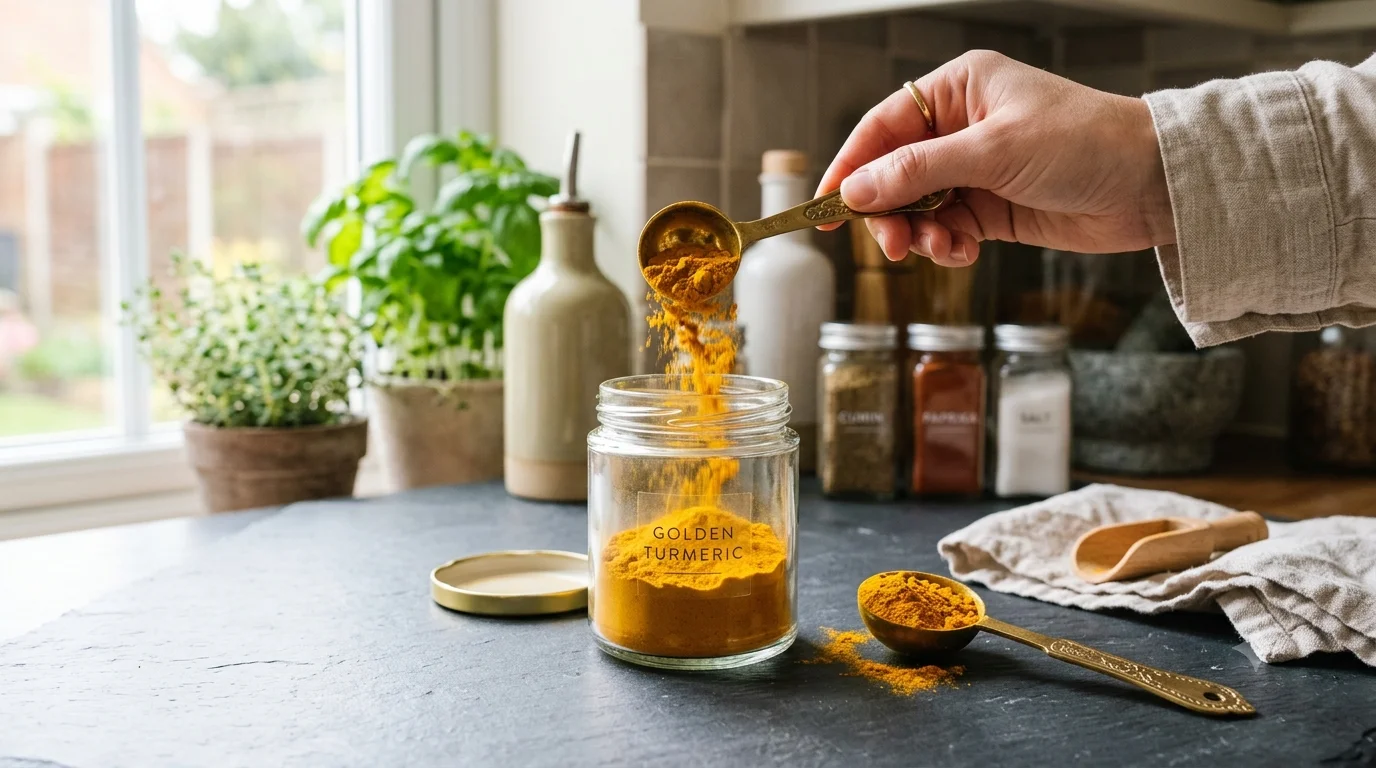
While the fresh root offers an incredible, refreshing taste for culinary creations, it requires constant prep work like peeling and grating. On the other hand, ground powder is completely shelf-stable, making it incredibly simple to measure out and toss into a morning health shake or a warm wellness tea without any hassle.
Internal Synergy: Pairing Ginger with Clean Lifestyle Habits
While choosing between fresh ginger vs ginger powder is an excellent step toward radiant health, it is vital to remember that true internal balance requires a holistic approach. For instance, flooding your system with processed additives can completely negate the anti-inflammatory power of your herbal remedies.
To maximize your results, focus on eliminating hidden metabolic disruptors. Start by steering clear of toxic high fructose corn syrup and actively tracking down hidden sugars in food products. Instead, build a vibrant clean eating lifestyle that centers around nutrient-dense, organic healthy sugar alternatives.
To further enhance your routine, couple these clean dietary choices with a consistent summer skincare routine packed with antioxidant-rich anti inflammatory foods for skin health. This inside-out care keeps your skin cells protected from seasonal sun stress while keeping your internal pathways perfectly clear.
Simple Wellness Habits to Combine for Daily Vitality
Accelerate your physical healing by anchoring your daily nutrition to these simple, foundational routines:
Elevate Your Mornings: Kickstart your digestion early by enjoying a warm brew to reap undeniable ginger tea benefits and improve gut health naturally.
Decompress Stress Early: Keep your skin-damaging cortisol spikes low by following a peaceful morning routine for healthy skin and a calm mind.
Quiet Nighttime Cravings: Learn how to quit sugar permanently by practicing simple, centered mindful eating habits before bed.
Support Overnight Repair: Keep your metabolic rate burning cleanly through the night by mixing your ground ginger into a soothing bedtime drink for weight loss and cellular balance.
Final Thoughts on Fresh Ginger vs Ginger Powder
In conclusion, both fresh ginger vs ginger powder earn a well-deserved place in a well-rounded lifestyle framework. Fresh ginger is an elite solution for soothing immediate stomach distress and providing a bright blast of raw gingerols. Meanwhile, ground ginger powder offers an unbeatably concentrated supply of shogaols to keep chronic inflammation and muscle pain entirely at bay.
To truly honor your body, consider alternating between both forms depending on what your physical system requires each day. Combine these smart ingredient upgrades with empowering daily wellness rituals every woman should follow to secure an enduring state of vibrance, longevity, and ultimate physical well-being.
FAQs
Q: Can I use ginger powder instead of fresh ginger for tea?
A: Yes, absolutely. You can easily substitute ground powder for the fresh root when brewing tea. Because the dried powder is highly concentrated, use just $1/4$ of a teaspoon of ground ginger powder for every single tablespoon of freshly grated root required.
Q: Is fresh ginger more effective than ground ginger powder for losing weight?
A: Both forms provide immense support, but ground ginger powder has a slight edge for long-term weight management. The elevated shogaol levels found in the dried powder have been shown to stimulate metabolism and assist with fat-burning pathways more consistently over time.
Q: Does ginger powder lose its natural health benefits over time?
A: Ground ginger powder will slowly lose its aromatic potency and active compound strength if it is left exposed to light and air. To preserve its anti-inflammatory value, keep your ground powder stored inside a sealed glass jar in a dark, cool pantry for up to one year.