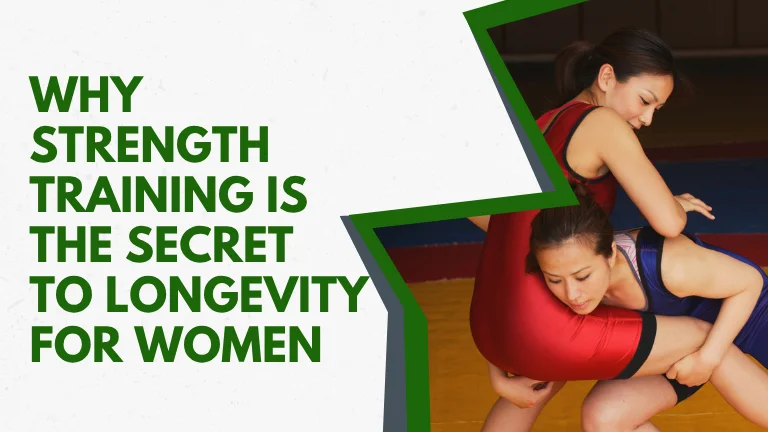
For decades, fitness advice directed toward women focused almost exclusively on prolonged cardio sessions. Millions spent hours on treadmills and ellipticals while avoiding resistance training entirely. Modern sports medicine reveals a very different path to long-term health: prioritizing strength training for longevity is the single most effective way for women to protect bone density, optimize metabolic health, and maintain physical independence as they age.
Building lean muscle mass is not about bulking up or aesthetic vanity. It serves as a crucial biological barrier against age-related decline. Embracing resistance exercises—and learning practical ways to stay healthy without a gym—allows you to protect your vitality directly from home.
The Biological Importance of Strength Training for Longevity
As women age, hormonal transitions during perimenopause and menopause alter body composition. The natural decline in estrogen accelerates bone density reduction and skeletal muscle loss—a condition known as sarcopenia. Without active intervention, women can lose up to 8% of their muscle mass per decade after turning thirty.
Engaging in targeted resistance training sends a direct signal to the skeletal system to rebuild. Mechanical stress placed on bones stimulates osteoblasts to lay down new bone minerals, drastically reducing the risk of fractures and osteoporosis. Additionally, active muscle tissue acts as a primary metabolic regulator, aiding in blood sugar management and reducing systemic inflammation.
How to Stay Healthy Without a Gym

You do not need an expensive commercial gym membership or heavy equipment to build meaningful functional strength. Bodyweight exercises and basic home equipment provide more than enough mechanical tension to stimulate muscle growth.
Effective At-Home Bodyweight Exercises:
- Bodyweight Squats: Target the quadriceps, glutes, and core to maintain lower-body power and knee stability.
- Incline or Wall Pushups: Strengthen the chest, shoulders, and triceps without overloading wrist joints.
- Planks and Core Holds: Build isometric core strength to support the lower back and improve posture.
- Glute Bridges: Activate the posterior chain to preserve hip mobility and prevent lower-back strain.
Focus on mastering proper movement patterns before introducing progressive resistance, such as loop bands or household items like water jugs.
Integrating Strength Into Your Wellness Routine
Treat resistance exercise as a supportive component of your broader self-care routine rather than a grueling chore. Lifting weights stimulates the release of endorphins, improving mood and clearing brain fog.
Rest and physical recovery are equally critical. Muscle tissue repairs itself during deep sleep cycles. Supporting your physical recovery with good sleep hygiene—including a brief evening digital detox for mental health—gives your central nervous system time to settle before bed.
Nutritional Support for Muscle and Joint Health
Building resilient tissue requires adequate nutritional raw materials. When introducing regular strength sessions, daily protein intake must increase to support cellular repair:
- Prioritize High-Quality Protein: Incorporate lean poultry, fish, eggs, legumes, or plant-based protein powders into each meal.
- Support Gut Function: A balanced diet paired with steps to improve gut health naturally optimizes nutrient absorption and lowers systemic muscle soreness.
- Practice Mindful Eating: Focus on whole foods rich in antioxidants to manage exercise-induced oxidative stress.
The Connection to Skin Vitality and Aesthetics
Regular physical exertion enhances systemic circulation, delivering oxygen and vital nutrients to the skin’s dermal layers. This boost in blood flow helps your body maintain natural elasticity and support collagen structures.
Pairing internal movement with healthy skincare habits—such as using gentle natural skincare ingredients—creates a strong foundation for overall physical vitality.
Final Thoughts
Embracing strength training for longevity changes how your body ages from the inside out. Committing to two or three short, progressive home workouts per week protects your bone structure, supports metabolic function, and ensures lasting physical independence.
Frequently Asked Questions
Q: Why is strength training essential for women over 40?
A: It actively counters the accelerated loss of muscle mass (sarcopenia) and bone density caused by shifting estrogen levels, helping preserve joint stability and baseline metabolic health.
Q: Can bodyweight exercises build enough muscle for longevity?
A: Yes. Progressive bodyweight movements like squats, lunges, and pushups create adequate mechanical tension to maintain lean muscle tissue and support bone density without requiring commercial gym equipment.