
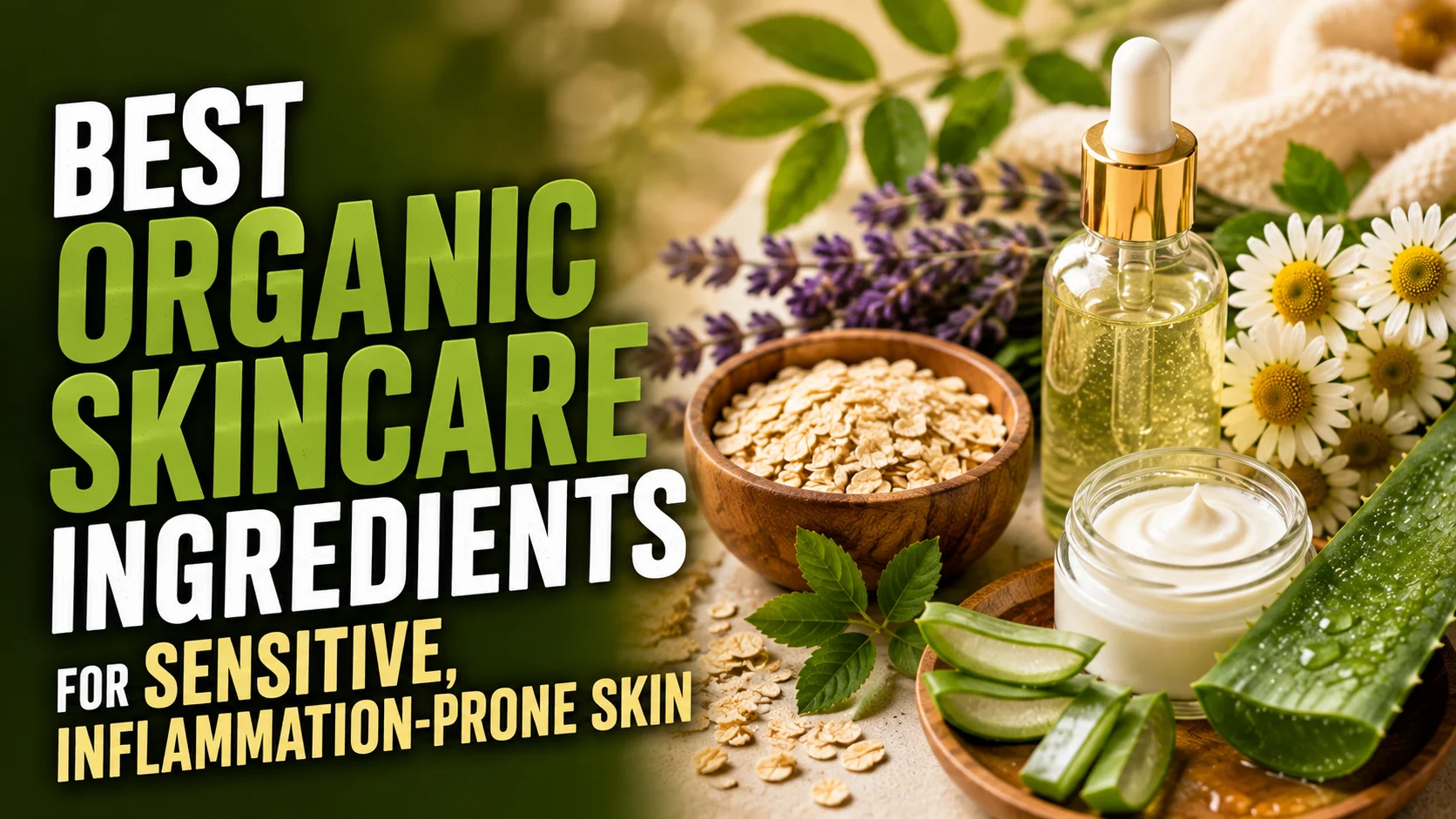
Navigating a daily beauty routine with reactive skin is often frustrating. Frequently, artificial fragrances, synthetic preservatives, and harsh acids trigger sudden redness and irritation. Consequently, many people turn to plant-based solutions to calm their complexions. Finding the best organic skincare products for sensitive skin requires understanding which botanical ingredients truly soothe inflammation.
Selecting pure organic extracts helps rebuild a compromised skin barrier. Furthermore, natural ingredients deliver rich antioxidants without introducing harsh irritants. This comprehensive guide highlights the top gentle, plant-derived ingredients designed to calm reactive skin naturally.
Why Choose Organic Skincare for Sensitive Skin?
Reactive skin typically stems from a weakened outer barrier. When your skin barrier is damaged, environmental pollutants and synthetic chemicals penetrate deeper. Consequently, this causes persistent stinging, dryness, and visible flaring.
Switching to clean organic skincare for sensitive skin offers distinct advantages:
Fewer Synthetic Irritants: Organic formulas avoid artificial dyes and parabens. Thus, you reduce the risk of contact dermatitis and unexpected flare-ups.
Rich Bioactive Nutrients: Cold-pressed plant oils preserve vital fatty acids. Therefore, they nourish skin cells deeply while supporting natural repair.
Gentle Anti-Inflammatory Action: Botanical extracts contain natural polyphenols. As a result, they soothe active redness without stripping essential moisture.
4 Powerful Natural Anti-Inflammatory Skin Remedies
When building a minimalist botanical routine, focus on ingredients with proven soothing properties. These four natural anti-inflammatory skin remedies provide deep hydration while shielding delicate tissue.
▼
▼
1. Colloidal Oatmeal
Colloidal oatmeal is finely ground oat grain suspended in liquid. It contains high concentrations of beta-glucans and avenanthramides. These unique compounds bind to skin tissue, forming a protective barrier that seals in moisture and alleviates severe itching.
2. German Chamomile Extract
German Chamomile contains bisabolol and chamazulene. These active compounds inhibit inflammatory enzymes in skin cells. Consequently, chamomile extract works exceptionally well to tone down blotchy redness caused by environmental stress.
3. Organic Jojoba Oil
Jojoba oil closely mimics human sebum. Because its molecular structure matches natural skin oils, it absorbs effortlessly without clogging pores. Moreover, jojoba oil restores essential lipids to repair cracked, flaking barrier layers.
4. Aloe Vera Leaf Juice
Pure organic aloe vera juice contains enzymes, vitamins, and polysaccharides. It cools overheated tissue instantly while accelerating natural cell regeneration. Therefore, aloe vera serves as an ideal hydration base for serum formulations.
Key Ingredients to Avoid in Sensitive Skincare
While choosing beneficial plant ingredients is crucial, knowing what to eliminate is equally important. Many commercial products marketed for sensitive complexions still contain hidden irritants.
| Ingredient Category | Common Packaging Names | Why It Triggers Inflammation |
| Synthetic Fragrances | Parfum, Fragrance, Aroma | Major trigger for skin allergies and contact redness |
| Harsh Surfactants | Sodium Lauryl Sulfate (SLS) | Strips natural oils and destroys the skin barrier |
| Drying Alcohols | Alcohol Denat, SD Alcohol | Evaporates rapidly, causing deep epidermal dehydration |
| Chemical Sunscreen Filters | Oxybenzone, Avobenzone | Can cause stinging sensations on reactive complexions |
How to Build a Minimalist Organic Skincare Routine
Applying too many products simultaneously overloads delicate tissue. Follow these four simple steps to build a safe daily routine:
Cleanse Gently: Use a fragrance-free, non-foaming cream cleanser to wash your face without stripping essential oils.
Apply a Soothing Hydrator: Press pure aloe vera juice or a simple chamomile hydrosol onto damp skin to lock in hydration.
Seal with Plant Oils: Massage 2–3 drops of organic jojoba or rosehip seed oil onto your skin to strengthen your lipid barrier.
Protect Daily with Mineral Zinc: Finish your morning routine with non-nano zinc oxide sunscreen to shield your skin from UV damage.
Holistic Care: Linking Skincare to Internal Health
Treating reactive skin requires addressing both internal and external factors. While gentle botanical creams protect your outer layer, internal inflammation frequently shows up on your complexion.
To optimize your intake of natural anti-inflammatory compounds through clean cooking, read our focused comparison on fresh ginger vs ginger powder for antioxidants.
Furthermore, maintaining a healthy complexion requires knowing your body’s exact biometric demands. Use our free AI diet plan generator to calculate your custom macronutrient target in seconds.
For local health updates, explore our Beauty and Mindful location profile.
Frequently Asked Questions
What are the best organic skincare products for sensitive skin?
The best organic skincare products for sensitive skin are fragrance-free, minimal-ingredient formulations containing colloidal oatmeal, chamomile, aloe vera, and jojoba oil.
Can natural organic ingredients still cause skin irritation?
Yes. Essential oils (like lavender, peppermint, or citrus oils) are natural but contain volatile aromatic compounds that can trigger allergic reactions in highly sensitive skin.
Is jojoba oil safe for sensitive, acne-prone skin?
Yes, absolutely. Jojoba oil is non-comedogenic and closely matches natural human sebum. It hydrates without clogging pores or triggering inflammation.
How long does it take for organic skincare to calm skin redness?
Most people notice reduced stinging and cooling relief immediately. However, rebuilding a damaged skin barrier usually takes 2 to 4 weeks of consistent use.