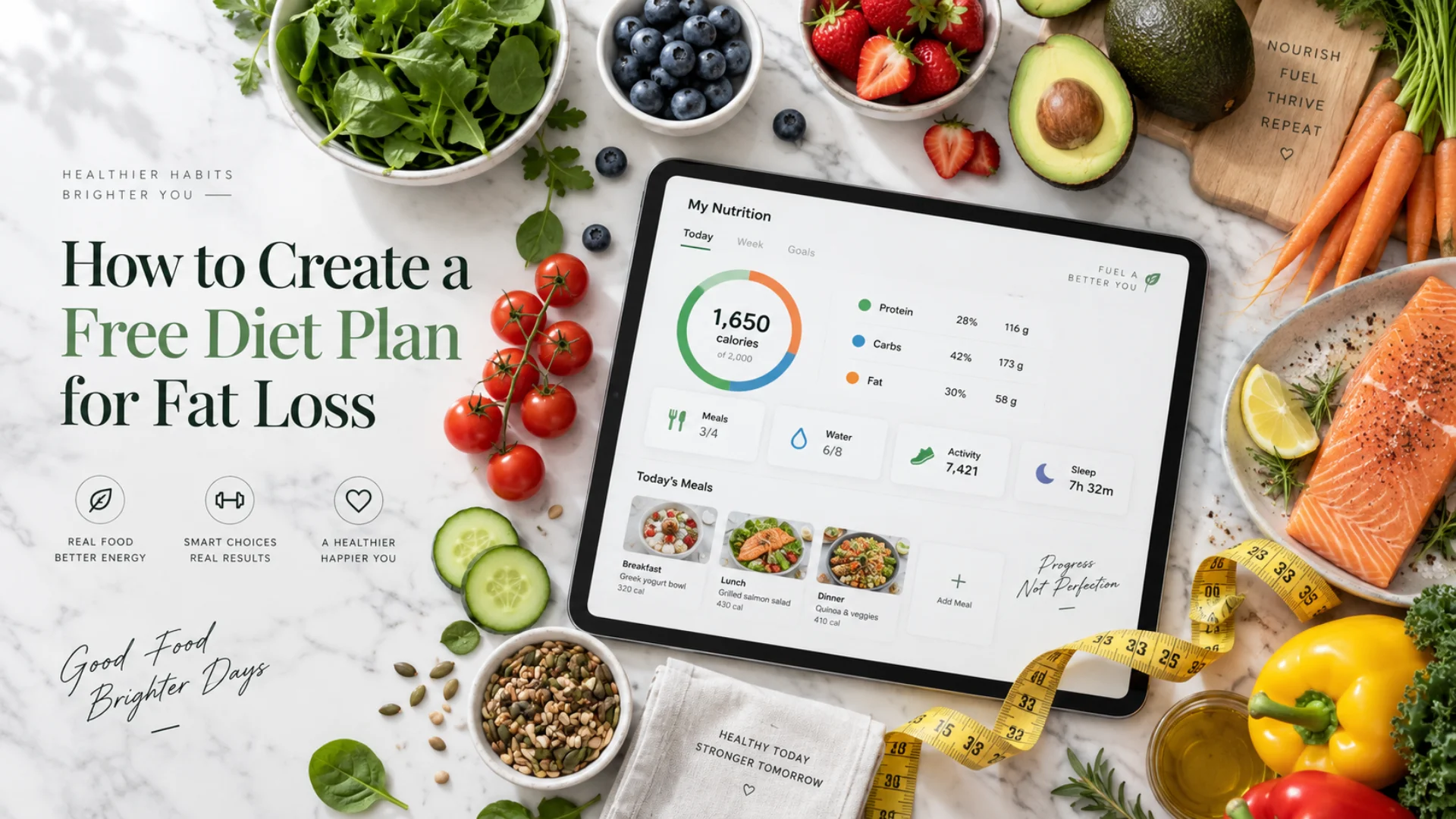

Targeting visceral fat around your midsection requires a clean approach to daily nutrition rather than extreme starvation. Following a structured free diet plan for belly fat helps you regulate insulin levels and reduce systemic inflammation. While spot reduction is a myth, consuming nutrient-dense whole foods encourages overall body fat reduction. Adopting a clear eating schedule ensures your body receives optimal nutrition while staying in a steady energy deficit.
Implementing a practical belly fat reduction meal plan removes the confusion from your daily food choices. When meals are centered around high-protein and fiber-rich ingredients, managing appetite becomes natural and effortless. Utilizing a proven clean eating diet template keeps your grocery shopping focused and budget-friendly. This intentional approach protects your metabolic health while guiding you toward a leaner, healthier physical appearance.
Understanding a Free Diet Plan for Belly Fat
Visceral fat stored around internal organs is strongly linked to dietary factors, high stress, and poor sleep quality. Following a tailored free diet plan for belly fat prioritizes whole ingredients that support digestive balance and metabolic performance. To establish your specific energy requirements, you can get a free diet plan for weight loss built around clean, nutrient-dense foods to ensure your daily caloric target matches your lifestyle.
Relying on a balanced free diet plan for belly fat prevents severe blood sugar spikes that promote fat storage. Choosing slow-digesting carbohydrates alongside lean proteins keeps your energy steady throughout the afternoon. This calculated approach allows you to shed body fat without enduring constant fatigue or intense hunger cravings.
Foods to Include in Your Clean Eating Diet Template
Building a menu that supports midsection fat reduction requires selecting ingredients that improve digestion and promote fullness. Incorporating a variety of colorful vegetables, lean proteins, and healthy fats provides essential micronutrients for your body.
Lean Proteins: Chicken breast, turkey, eggs, wild fish, tofu, and lentils preserve lean muscle mass and boost satiety.
Soluble Fiber: Oats, chia seeds, flaxseeds, berries, and legumes help slow digestion and reduce abdominal bloating.
Healthy Fats: Avocados, extra virgin olive oil, walnuts, and almonds support essential hormone production.
Non-Starchy Vegetables: Spinach, kale, broccoli, cucumbers, and bell peppers offer high volume with minimal calories.
Using a structured clean eating diet template ensures these nutrient-dense options are built into every single meal.
Foods to Avoid on a Belly Fat Reduction Meal Plan
Eliminating processed items that trigger abdominal inflammation is just as critical as eating healthy foods. Certain ingredients directly promote fat storage around the midsection and disrupt gut health.
Added Sugars: Sodas, sweetened teas, pastries, and candy cause rapid insulin spikes that encourage fat storage.
Refined Carbohydrates: White bread, processed pastries, and refined snacks lack fiber and digest too quickly.
Trans Fats: Fried foods and commercial baked goods increase systemic inflammation and metabolic sluggishness.
Excessive Alcohol: Liquid calories from alcoholic drinks are easily stored as visceral fat and impair sleep quality.
Following a clear belly fat reduction meal plan helps you avoid these pitfalls and replaces empty calories with nourishing alternatives.
Lifestyle Habits That Accelerate Progress
Nutritional changes work best when paired with healthy daily routines that lower stress and support recovery. Chronic stress elevates cortisol levels, a hormone directly linked to increased abdominal fat storage. Practicing stress management techniques like light walking, deep breathing, or yoga helps keep cortisol levels balanced. According to health guidance from the World Health Organization, combining balanced nutrition with regular physical activity is essential for long-term health.
Prioritizing nightly rest is another crucial factor for metabolic health. Sleeping seven to eight hours helps regulate hunger hormones, reducing late-night cravings for high-calorie snacks. You can also review our guide on liver detoxification support to learn how supporting your internal organs improves overall digestion and vitality.
Frequently Asked Questions
Q: Can I target belly fat specifically through diet alone?
A: You cannot reduce fat from a single spot, but following a consistent calorie deficit reduces overall body fat, including stubborn abdominal fat.
Q: How does fiber help reduce belly fat?
A: Soluble fiber absorbs water and forms a gel in your digestive tract, slowing down food movement and keeping you full longer.
Q: Are zero-calorie diet sodas acceptable on this plan?
A: Drinking water or herbal tea is preferred, as artificial sweeteners in diet sodas can sometimes trigger cravings for sweet foods.
Q: How quickly can I expect to see changes around my waistline?
A: Most individuals notice reduced bloating within the first week, with visible waistline updates appearing after three to four weeks of consistency.
Q: Should I cut out all carbohydrates to lose abdominal fat?
A: No, complex carbohydrates like oats, quinoa, and sweet potatoes provide steady fuel for daily activities without promoting fat storage.