Counting macros is a very reliable health strategy. It helps you take control of your daily energy. Unlike rigid schedules, a free macro diet plan gives you complete food flexibility. Therefore, you can enjoy your favorite foods while reaching your goals. Furthermore, understanding your nutrition helps optimize metabolic function without feeling restricted or hungry.
Using a macro meal planner pdf allows you to structure daily portions with ease. Balancing your nutrients ensures steady energy for daily workouts. Meanwhile, it maintains a safe calorie deficit for fat loss. Therefore, starting a balanced nutrition plan free of charge provides a clear path to long-term vitality.
Understanding the Essentials of a Free Macro Diet Plan
Macronutrients are essential nutrients your body needs in large quantities. They produce vital energy and support optimal cellular health. Consequently, a successful free macro diet plan tailors these elements to fit your lifestyle and body weight.
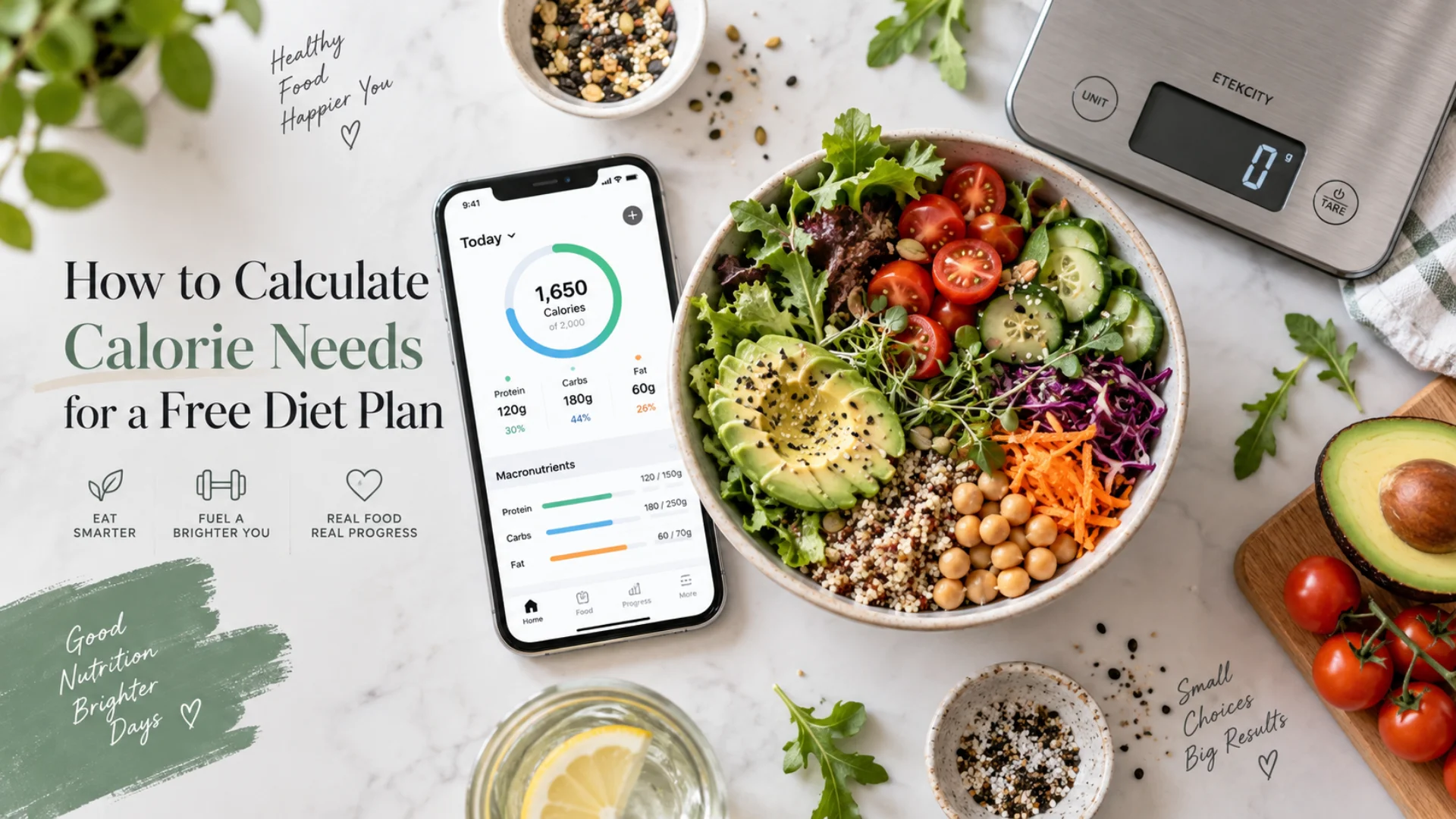
To establish your ideal distribution without hard math, you can get your exact macronutrient breakdown with a free diet plan PDF to ensure your menu supports your goals. In addition, balancing your macros keeps your metabolism elevated. As a result, you avoid common weight loss plateaus.
The Three Core Pillars of Balanced Nutrition
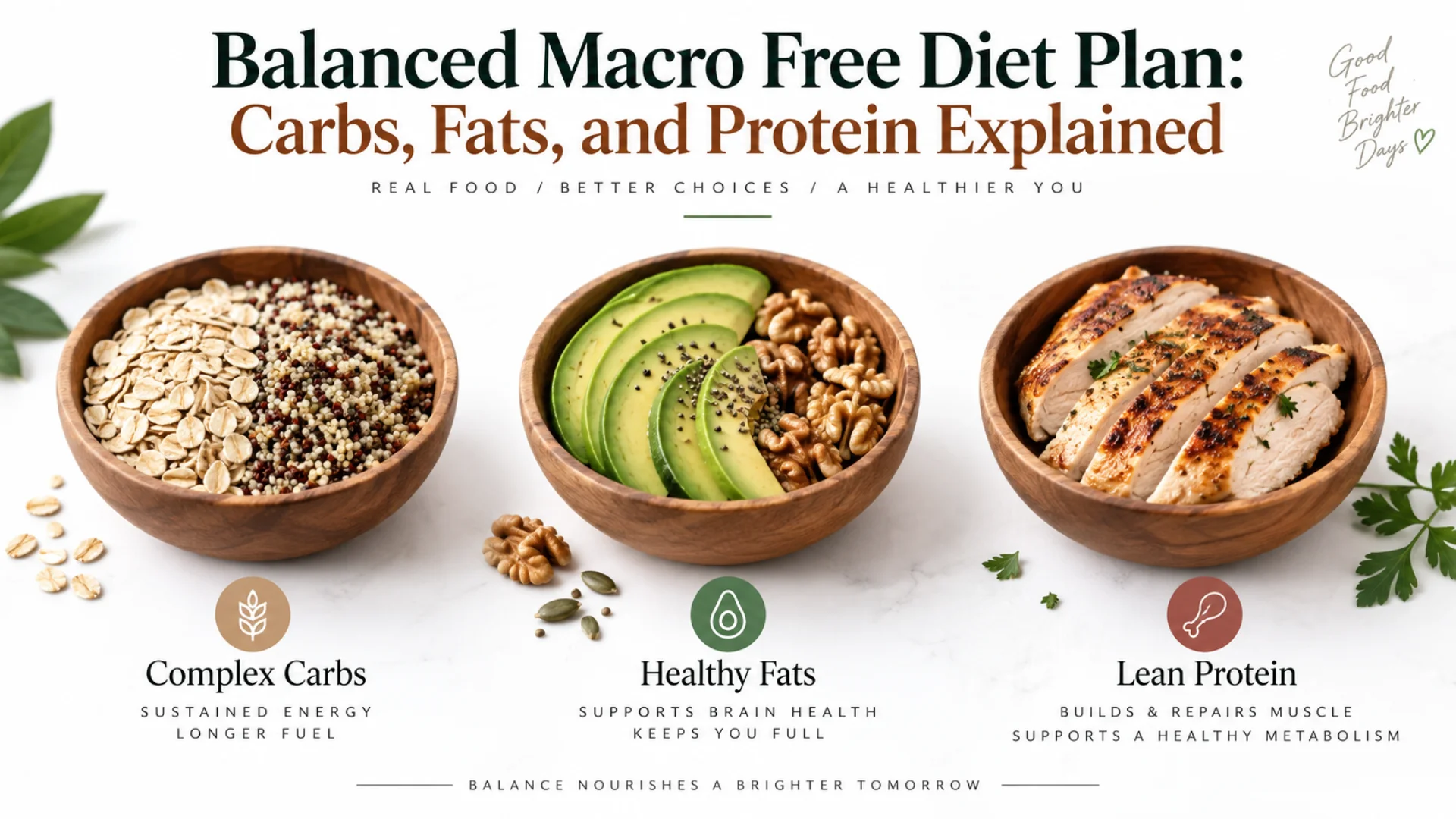
Every meal should feature a deliberate balance of carbs, proteins, and fats. Each nutrient serves a distinct function within your body.
1. Protein: The Building Block (4 Calories per Gram)
Protein supports muscle repair and tissue recovery. In addition, prioritizing protein increases fullness during weight loss. Great options include chicken breast, turkey, eggs, fish, Greek yogurt, tofu, and lentils.
2. Carbohydrates: The Primary Fuel (4 Calories per Gram)
Carbohydrates deliver essential energy to power your brain and daily workouts. However, you should focus on complex, fiber-rich sources like sweet potatoes, oats, brown rice, and berries. These choices keep blood sugar levels steady throughout the afternoon.
3. Healthy Fats: Hormonal Support (9 Calories per Gram)
Fats play a critical role in joint health and hormone production. For example, incorporating olive oil, avocados, almonds, and chia seeds supports overall resilience and brain function.
Keeping these proportions aligned with a macro meal planner pdf makes your daily food choices simple and effective.
Structuring Your Balanced Nutrition Plan Free of Charge
Creating daily meals relies on flexible habits rather than strict ingredient lists. A balanced target for fat loss often features 40% Carbohydrates, 30% Protein, and 30% Healthy Fats.
Breakfast: An egg white omelet with spinach and tomatoes. Serve it alongside whole-grain toast and half an avocado.
Lunch: A grilled chicken salad with dark greens, quinoa, cucumbers, and a light olive oil dressing.
Snack: Fresh cottage cheese paired with sliced peaches or raw almonds.
Dinner: Baked salmon served with roasted sweet potato wedges and steamed broccoli.
Relying on a balanced nutrition plan free from extreme rules ensures you stay energetic and satisfied every week.
Lifestyle Habits to Maximize Your Macro Results
Macro tracking yields the best visual outcomes when combined with proper hydration and quality sleep. Indeed, drinking sufficient water supports nutrient absorption and aids digestion. According to nutritional guidelines from the Harvard T.H. Chan School of Public Health, prioritizing whole foods over processed options supports metabolic longevity.
Additionally, ensuring seven to eight hours of sleep helps keep hunger hormones balanced. This prevents severe sugar cravings that disrupt your targets. You can also review our guide on clean eating principles to learn how whole foods speed up your transformation.
Frequently Asked Questions
Q: What is the main difference between calorie counting and macro tracking?
A: Calorie counting measures total daily energy intake. Conversely, macro tracking focuses on where calories come from to optimize body composition.
Q: Can I lose fat while eating carbohydrates on a free macro diet plan?
A: Yes, carbohydrates do not cause fat gain in a calorie deficit. Therefore, choosing fiber-rich complex carbs provides sustained energy without causing fat storage.
Q: How do I track macros if I prepare my meals at home?
A: Use a digital food scale to weigh raw ingredients. Then, log them into an app or a printed macro meal planner pdf for full accuracy.
Q: What should I do if I exceed my fat target for the day?
A: Simply adjust your remaining meals by lowering carbohydrate or fat portions. As a result, your overall daily calorie target stays balanced.