Meal planning is often considered one of the most reliable strategies for achieving long term fitness and nutrition goals. However, many individuals struggle to maintain consistency due to a lack of organization during busy workdays. Adopting a structured free meal prep diet plan removes the stress of daily cooking decisions and ensures that your nutrition remains aligned with your personal health objectives. When you prepare your meals in advance, managing caloric intake and macronutrient ratios becomes entirely manageable.
Using a comprehensive weekly meal prep planner allows you to streamline your grocery trips, cut down on unnecessary food waste, and save money every week. Rather than resorting to high calorie takeout options during busy evenings, having wholesome dishes ready in your refrigerator keeps your progress on track. Transitioning to an organized meal preparation routine transforms healthy eating from a burdensome chore into a smooth, automatic habit.
Why a Free Meal Prep Diet Plan Works
Consistency forms the foundation of any successful physical transformation. When healthy choices are easily accessible, adhering to a calorie deficit or maintenance strategy requires significantly less effort. Following a dedicated free meal prep diet plan helps eliminate emotional eating and impulsive snacking triggered by hunger or fatigue. Before heading out to buy ingredients, you can download your customized free meal plan generator PDF before shopping to ensure your daily meals match your body composition needs.
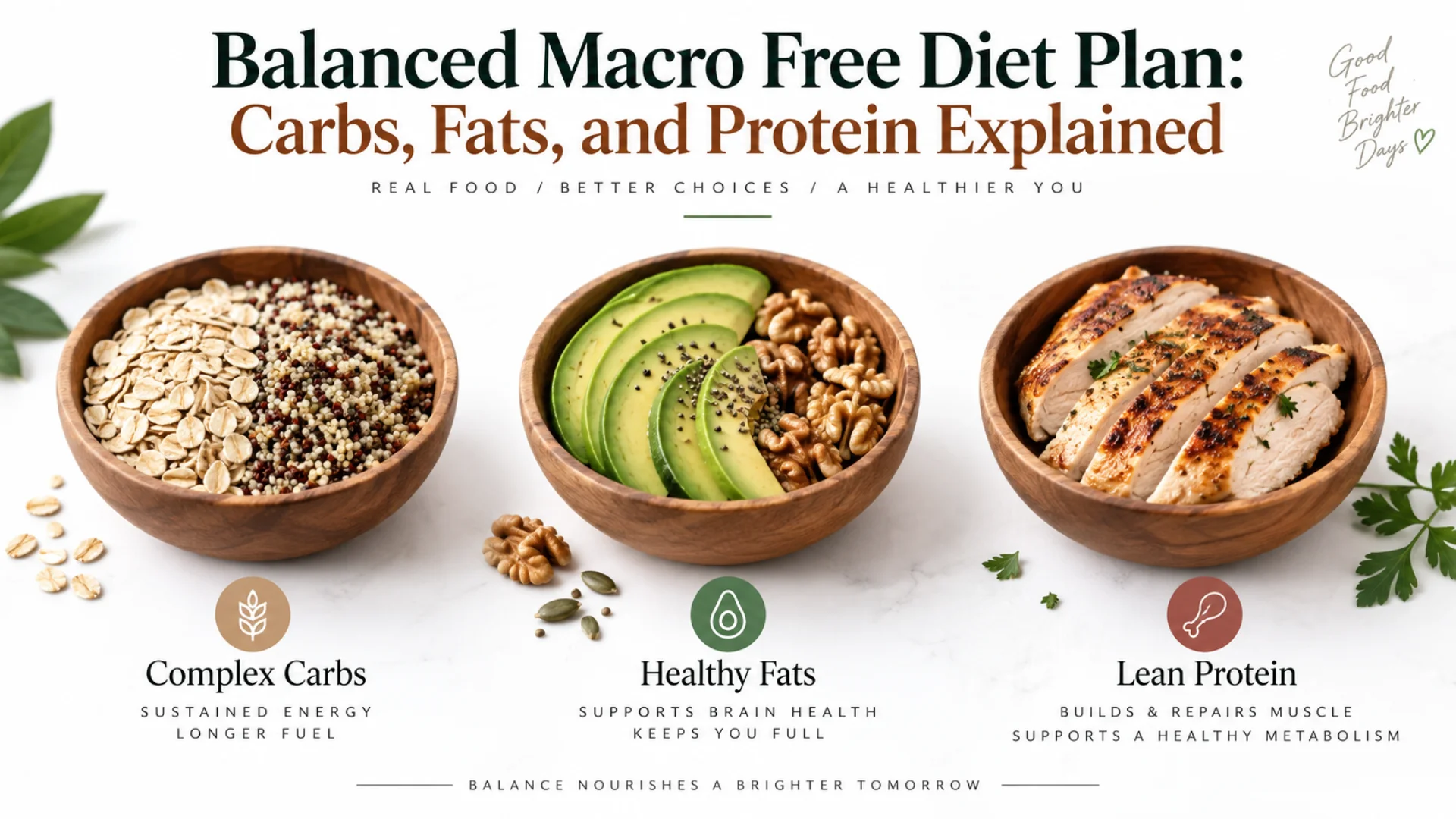
Organizing your meals ahead of time also helps maintain stable energy levels throughout the afternoon. When you rely on structured eating rather than random food options, your body receives a steady supply of complex carbohydrates, lean proteins, and vital micronutrients. This nutritional stability keeps your blood sugar levels balanced, reduces sugar cravings, and supports sustained physical energy. Utilizing a free diet planner online gives you full control over ingredient quality while eliminating guesswork from your daily routine.
Essential Steps to Master Your Weekly Meal Prep Planner
Starting a meal prep routine does not require professional culinary skills or spending endless hours in the kitchen. Following a clear, systematic approach helps you prepare balanced food efficiently without feeling overwhelmed.
Step 1: Design Your Core Menu
Select two or three simple recipes for the week rather than attempting to cook a completely different dish for every single day. Keeping your menu streamlined saves prep time and simplifies grocery buying. Ensure that each meal contains a balance of lean protein, healthy fats, and fiber rich carbohydrates.
Step 2: Organize Your Grocery Shopping
Before visiting the grocery store, review your chosen recipes and draft an exact list of required ingredients. Using a weekly meal prep planner keeps your shopping trip focused on the perimeter of the store—where fresh produce, meats, and whole foods are located—while helping you bypass heavily processed aisle items.
Step 3: Batch Cook Core Ingredients
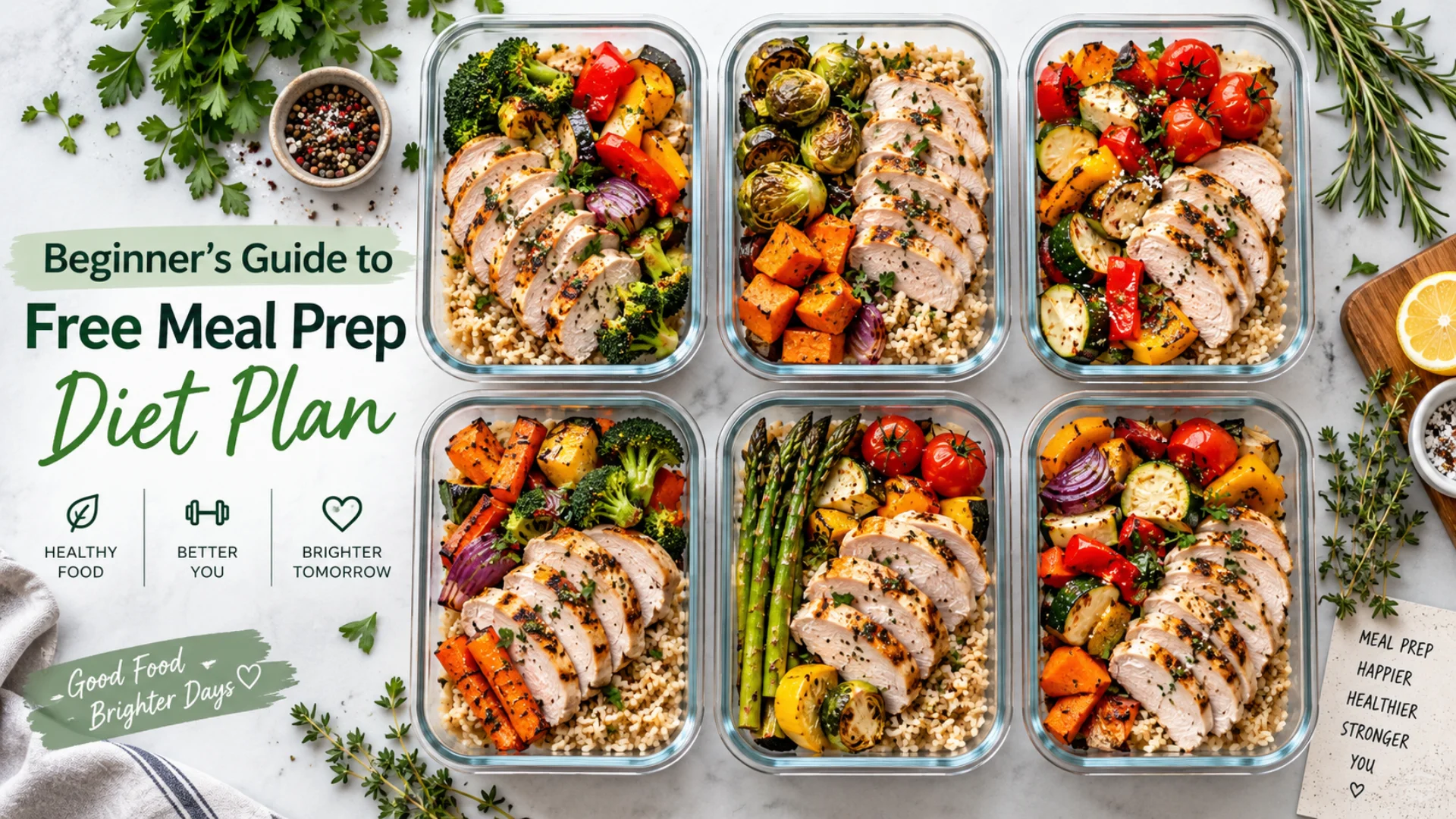
Batch cooking involves preparing large portions of staple foods simultaneously. Roast multiple trays of vegetables, cook bulk portions of grains like quinoa or brown rice, and grill or bake your lean proteins all at once. This strategy dramatically reduces cooking time and keeps your kitchen clean.
Step 4: Portion and Store Safely
Allow your cooked food to cool completely before sealing it into airtight glass containers. Proper storage maintains freshness, flavor, and texture throughout the week. Labeling your containers with dates ensures optimal food safety and helps you track your weekly inventory easily.
Using a free diet planner online makes setting up these steps easy, keeping your weekly schedule simple, organized, and budget friendly.
Key Ingredients for a Balanced Prep Routine
Selecting versatile whole foods is essential for keeping your meals appetizing and nutrient dense over several days. Focus on ingredients that reheat well without losing their structural integrity or flavor.
Lean Proteins: Baked chicken breast, ground turkey, hard boiled eggs, wild caught fish, tofu, and lentils provide essential amino acids for muscle repair and long lasting fullness.
Complex Carbohydrates: Sweet potatoes, brown rice, quinoa, rolled oats, and whole grain pasta offer sustained energy for daily physical activities.
Fibrous Vegetables: Broccoli, roasted carrots, bell peppers, green beans, and Brussels sprouts add volume, digestive support, and essential micronutrients without adding high calories.
Healthy Fats: Olive oil dressings, raw nuts, seeds, and avocados support essential hormone health and enhance overall flavor profiles.
Incorporating these nutrient rich ingredients into a free meal prep diet plan guarantees that every dish supports your vitality and physical well being.
Simple Tips to Maintain Long Term Consistency
Many beginners start meal prepping with intense enthusiasm, only to burn out after a few weeks due to overcomplicating the process. Keeping your routine manageable ensures that healthy eating becomes a permanent lifestyle habit rather than a temporary trend.
Start small by prepping just your lunches or dinners for three consecutive days rather than trying to organize an entire week at once. As the routine becomes natural, expand your prep to cover breakfasts and snacks. Additionally, keep a variety of low sodium spices, herbs, and healthy sauces on hand. Experimenting with different seasonings prevents flavor monotony and keeps your prepped meals enjoyable.
Proper hydration is another essential element during your meal prep journey. Drinking sufficient water throughout the day aids digestive health and prevents dehydration signals that are often mistaken for physical hunger. According to nutritional guidelines from the Harvard T.H. Chan School of Public Health, building daily habits around whole foods and proper hydration supports cardiovascular efficiency and metabolic resilience. You can also explore our guide on daily wellness routines to discover additional natural practices that complement healthy nutrition.
Overcoming Common Meal Prep Challenges
A common concern beginners have is that prepped food might taste stale or dry by the end of the week. To maintain optimal flavor, cook your proteins with moderate moisture—such as baking chicken in broth or light sauces—and store delicate dressings separately until right before serving.
If eating the same meal multiple days in a row feels tedious, try freezing portioned containers immediately after cooking. Thawing those meals a few weeks later offers instant variety without requiring extra preparation time. Relying on a structured weekly meal prep planner provides the flexibility needed to adjust your menu to suit your personal lifestyle while keeping your financial and health goals completely intact.
Frequently Asked Questions
Q: How long do prepped meals remain fresh in the refrigerator?
A: Most cooked meals stay fresh and safe to eat for three to four days when stored in airtight glass containers inside a properly chilled refrigerator.
Q: Can I freeze my prepped meals for later in the month?
A: Yes! Dishes containing lean meats, soups, cooked grains, and stews freeze exceptionally well for up to three months. Avoid freezing fresh leafy salads or high water content vegetables like cucumbers.
Q: What are the best containers to use for meal prepping?
A: Glass meal prep containers with airtight locking lids are ideal. They are durable, microwave safe, prevent odor retention, and keep your food fresher compared to basic plastic options.
Q: How do I calculate my daily portions when batch cooking?
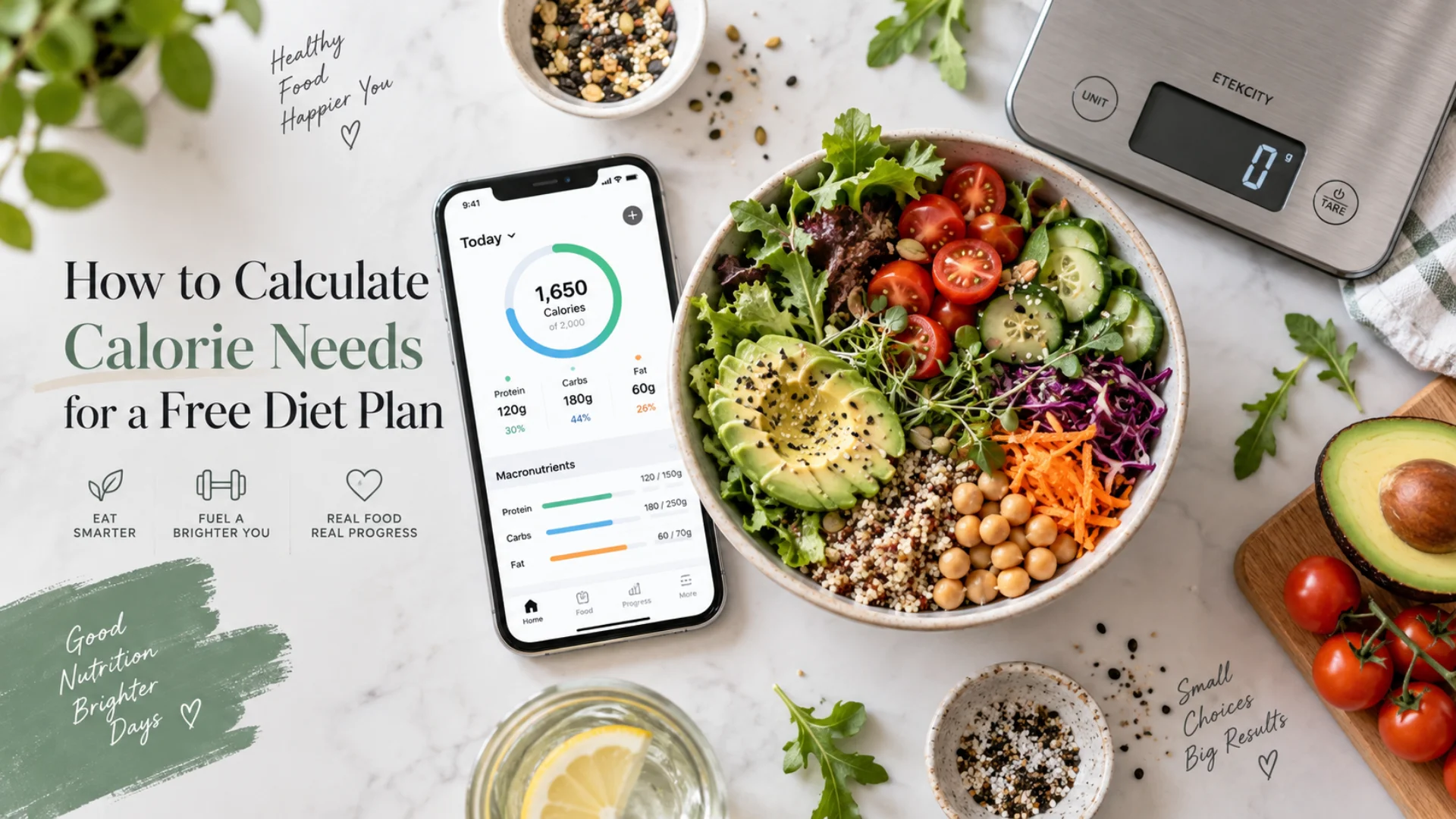
A: Weigh or measure your raw or cooked ingredients using a digital kitchen scale before dividing them evenly into your individual storage containers based on your daily targets.
Q: Is meal prepping expensive for beginners?
A: No, meal prepping actually saves money. Buying staple ingredients in bulk and following a clear shopping list reduces food waste and prevents expensive restaurant or takeout spending.