Choosing the right nutritional approach often feels confusing with so many competing fitness trends available today. High-protein and low-carb strategies remain two of the most popular frameworks for changing body composition. However, picking one over the other without tailoring the numbers to your biometrics can slow down your progress. Utilizing an ai diet plan helps you balance these macro distributions based on your exact physical demands.
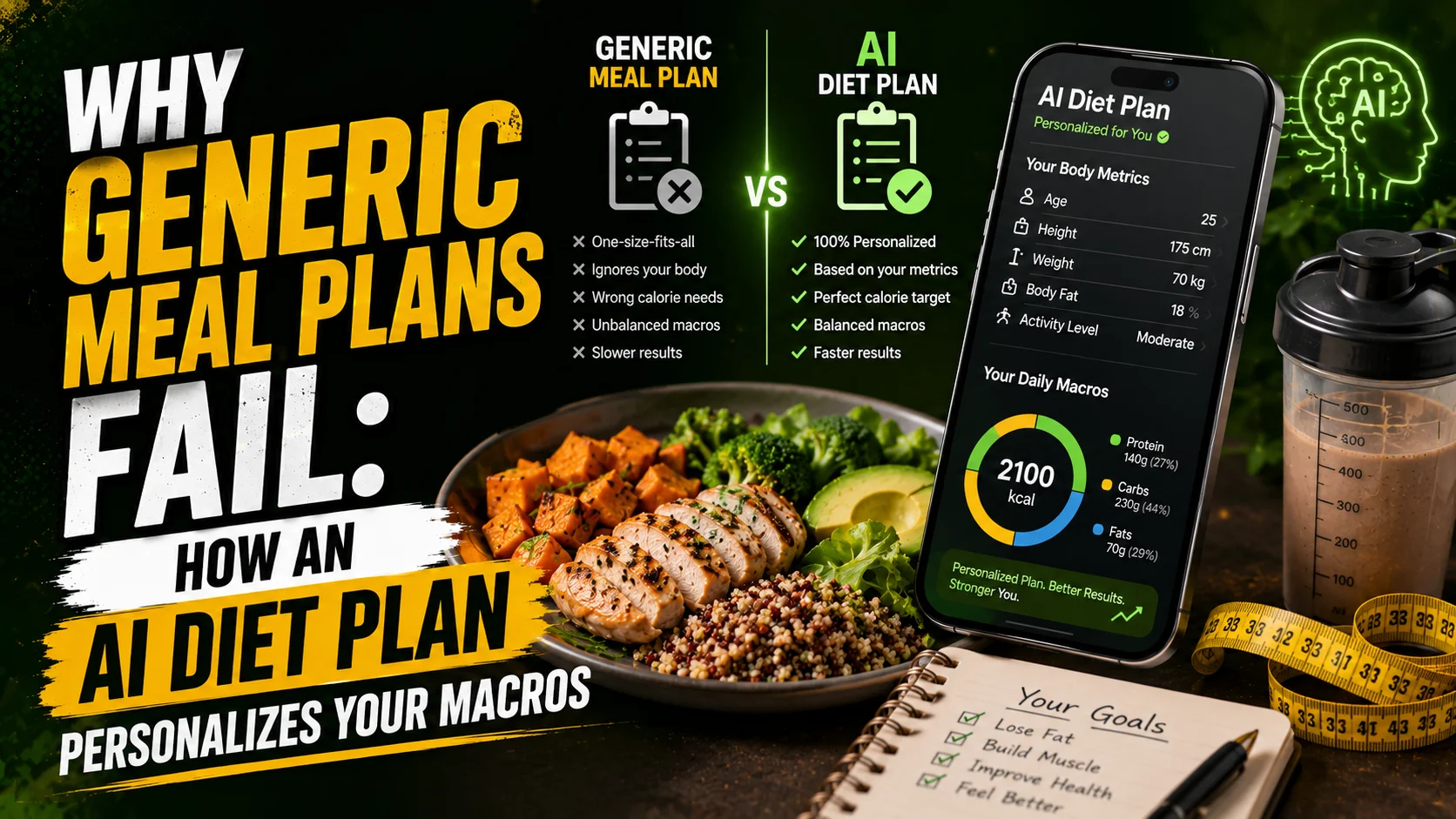
Whether your primary goal is building lean muscle tissue or burning excess body fat, your intake needs to match your daily energy expenditure. Generic meal templates apply static rules to everyone. In contrast, an ai diet plan analyzes your age, weight, height, and activity level to create a precise macronutrient breakdown designed for your unique body.
Comparing High-Protein and Low-Carb Approaches
Understanding how different macronutrients affect your internal system is key to selecting the right strategy for your lifestyle.
▼
▼
1. High-Protein Focus
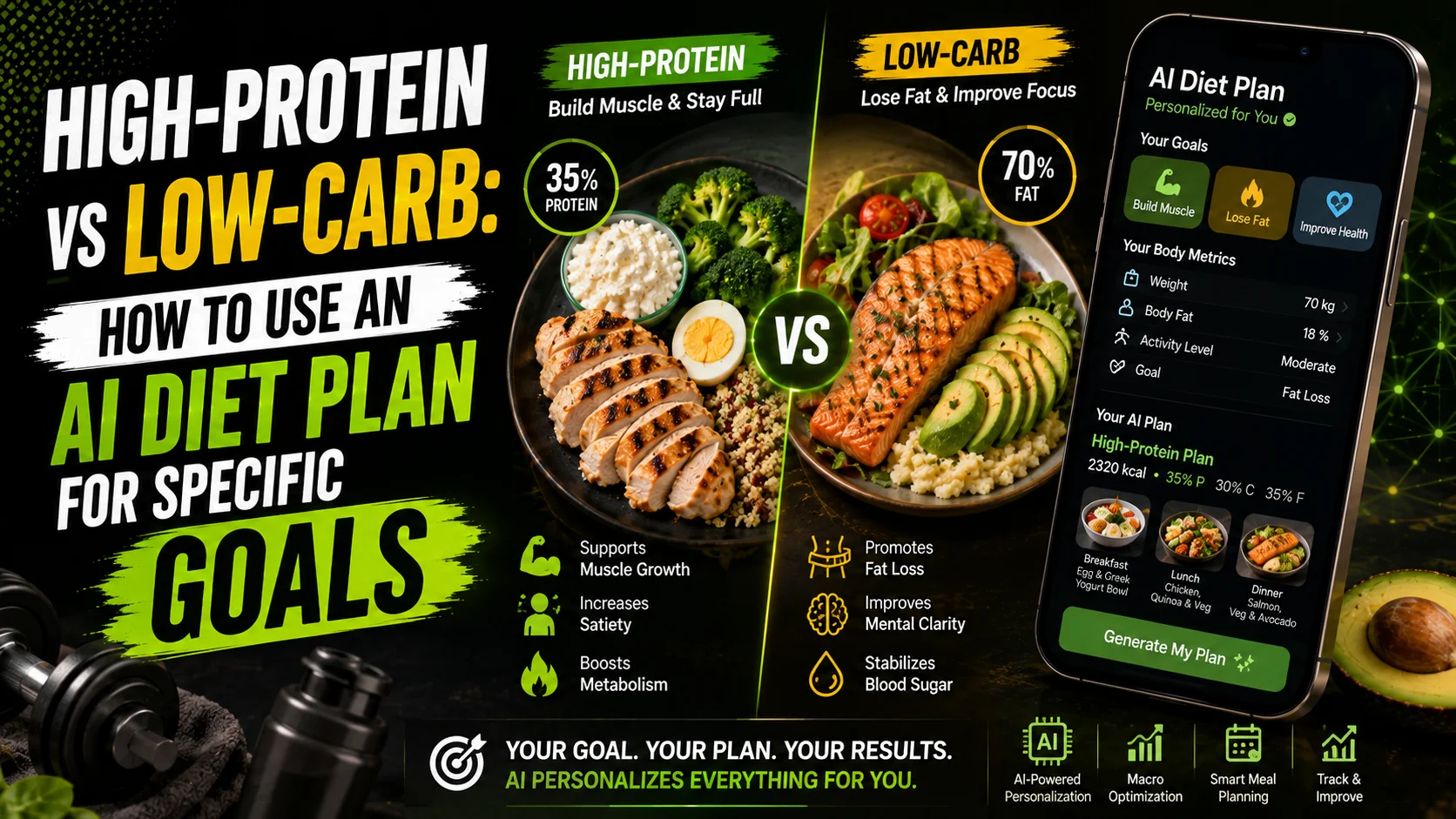
A protein-heavy structure supports muscle repair, satiety, and metabolic rate. When you increase lean protein intake, your body burns slightly more energy simply digesting the food. This approach works exceptionally well for active individuals engaged in strength training or heavy physical exertion.
2. Low-Carb and Ketogenic Focus
Reducing carbohydrate intake shifts your body toward using dietary and stored fats for primary energy. Lowering simple sugars stabilizes daily blood glucose levels and reduces energy crashes. Setting a personalized keto macro split ensures you restrict carbs enough to reach ketosis without underfueling your baseline metabolism.
3. Finding Your Personal Middle Ground
You do not always have to choose an extreme end of the spectrum. Many individuals thrive on moderate carbohydrate levels paired with high protein intake. A digital generator calculates these intermediate ratios accurately so you remain energized throughout the day.
High-Protein vs Low-Carb Macro Comparison
| Nutritional Strategy | Primary Fuel Source | Ideal For | Typical Macro Distribution |
| Custom High Protein Diet | Lean Proteins & Complex Carbs | Muscle retention, strength, and recovery | 35% Protein, 40% Carbs, 25% Healthy Fats |
| Personalized Keto Split | Dietary & Body Fats | Fasting support, fat loss, blood sugar balance | 20% Protein, 5% Carbs, 75% Healthy Fats |
| Balanced Clean Eating | Whole Food Mix | General energy, daily vitality, maintenance | 30% Protein, 45% Carbs, 25% Healthy Fats |
Setting an ai diet plan to target these specific distributions guarantees that your calculated calorie intake matches your daily movement levels.
💡 Calculate Your Specific Fitness Ratios Today:
Avoid guessing your macro percentages. Use our free AI Diet Plan Generator right now to compute your custom intake numbers and download your tailored PDF guide instantly.
How to Customize an AI Diet Plan for Your Target Goals
Configuring your personalized routine takes only a few simple adjustments within the calculator system:
Select Your Primary Objective: Indicate whether your main focus is fat loss, muscle retention, or general metabolic health.
Define Your Preferred Eating Style: Choose whether you prefer a custom high protein diet, a low-carb pattern, or a standard balanced ratio.
Review Your Custom Target Ratios: Check your calculated daily intake for protein, carbohydrates, and fats in exact grams.
Download Your Structured Roadmap: Save your complete breakdown as a handy PDF to guide your weekly shopping and meal preparation.
Supporting Gut Motility and Nutrient Absorption
Switching to a higher protein or lower carbohydrate plan changes how your body digests food. Increasing protein or healthy fats requires efficient digestion to avoid feeling heavy or bloated after meals.
To ensure your body processes whole foods properly, review our guide on how to get a free AI diet plan tailored to your metrics. Additionally, managing internal inflammation supports steady metabolic processing. Read our detailed article on the benefits of ginger tea for digestive support to see how natural botanical remedies assist daily digestive comfort.
To learn more about our local wellness initiatives, feel free to visit our Beauty and Mindful location profile for community updates.
Key Tips for Adhering to Your Custom Plan
Measure Protein Portions Accurately: Use a digital food scale during your first week of prep to get an accurate feel for target protein portions.
Prioritize Whole Food Fats: Fulfill low-carb fat requirements using clean sources like avocados, raw nuts, extra virgin olive oil, and wild-caught fish.
Maintain Electrolyte Balance: When lowering carbohydrate intake, increase water and natural sodium consumption to maintain steady physical energy.
Recalculate Every 4 Weeks: As your body composition shifts, update your numbers in an ai diet plan to keep your targets aligned with your evolving progress.
Frequently Asked Questions
Can an ai diet plan build both high-protein and low-carb targets?
Yes. An ai diet plan uses your personal physical metrics to calculate precise daily caloric limits and macro splits for high-protein, low-carb, or ketogenic approaches.
Is a custom high protein diet safe for everyday use?
For healthy individuals, consuming an adequate high-protein diet supports lean muscle maintenance and healthy metabolic function. However, individuals with pre-existing kidney conditions should consult a healthcare provider before significantly increasing protein intake.
How does a personalized keto macro split differ from a basic low-carb diet?
A strict ketogenic split limits total daily carbohydrates to around 5% of total caloric intake to trigger ketosis. A standard low-carb plan simply reduces refined sugars while allowing moderate complex carbohydrate consumption.
Which macro strategy is best for fast weight loss?
Both high-protein and low-carb strategies promote effective weight loss when paired with an appropriate caloric deficit. The best plan is the one that fits your personal preferences and allows you to remain consistent long term. Naftowy dochód