Choosing the right eating strategy often feels confusing with so many options available. Many people debate between a free low carb diet plan and a traditional balanced approach. Both methods offer distinct advantages for weight loss and daily vitality. However, understanding how each framework impacts your body helps you choose the fastest path to your goals.
Adopting a practical low carb meal guide helps lower insulin levels and shedding water weight quickly. Meanwhile, following a flexible free diet routine with balanced macros provides steady physical energy for workouts. Comparing these two strategies ensures you pick a sustainable method that fits your personal lifestyle.
Comparing the Speed of Low-Carb vs. Balanced Eating
When starting a weight loss journey, immediate visual results build motivation. A structured free low carb diet plan often produces faster initial scale drops during the first two weeks. This rapid change occurs because cutting carbohydrates reduces glycogen stores, which releases bound body water.
Conversely, a balanced approach yields steady, gradual fat loss over time. To see which method suits your body best, you can select your preferred eating style inside our free diet plan tool to generate a custom routine instantly. While low-carb diets show quick early results, both plans burn fat at similar rates once a consistent calorie deficit is maintained.
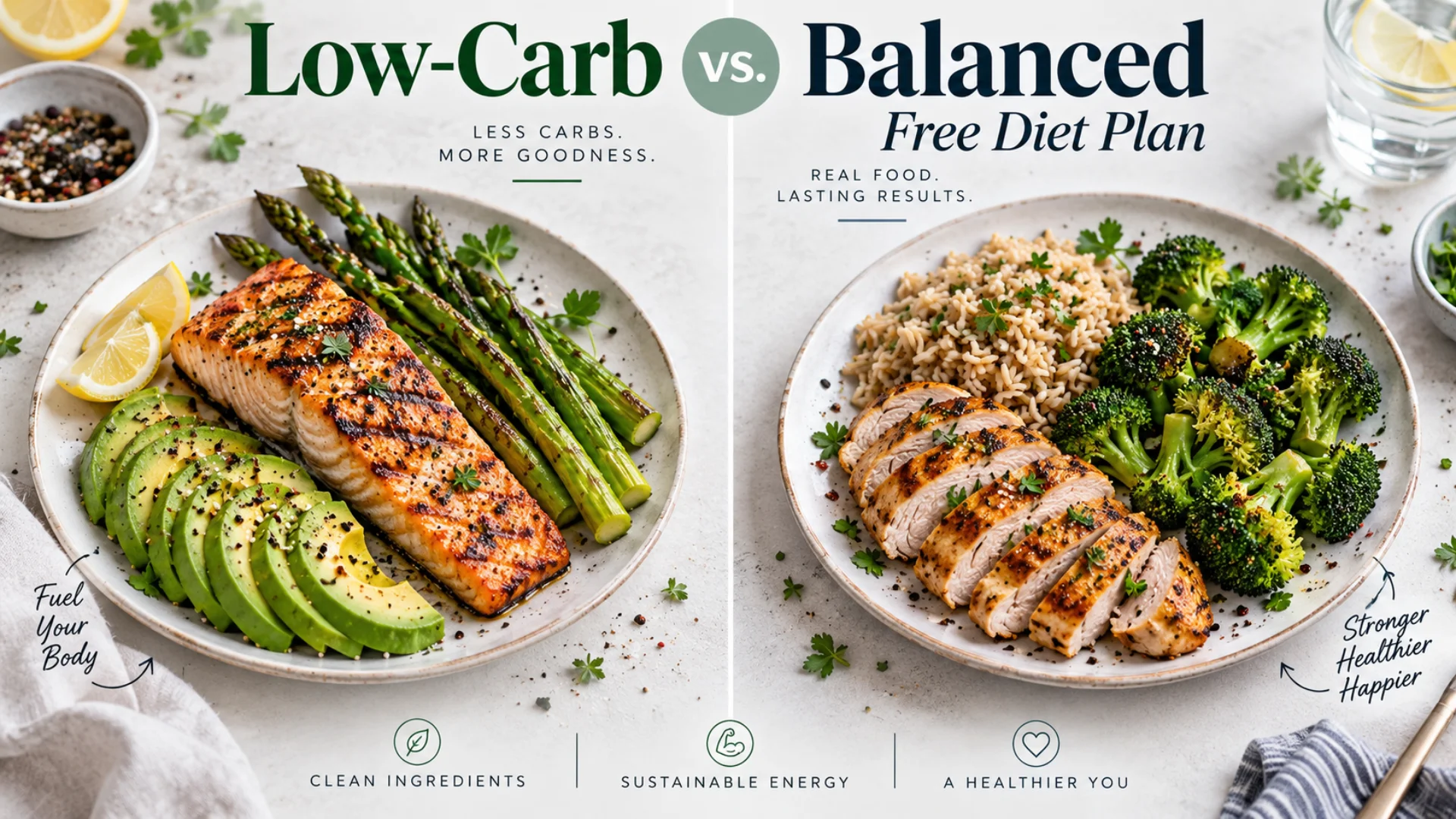
Key Features of a Low Carb Meal Guide
A low-carb framework minimizes refined grains, sugars, and starchy vegetables. Instead, it prioritizes healthy fats, protein, and non-starchy greens to keep you full.
Primary Focus: Proteins, healthy oils, nuts, seeds, and leafy green vegetables.
Main Benefit: Fast initial water loss and stabilized blood sugar levels.
Best Suited For: Individuals with insulin resistance or those who prefer rich, savory foods.
Relying on a low carb meal guide eliminates frequent hunger spikes caused by rapid carbohydrate processing. As a result, managing daily calories becomes much easier.
Advantages of a Balanced Free Diet Routine
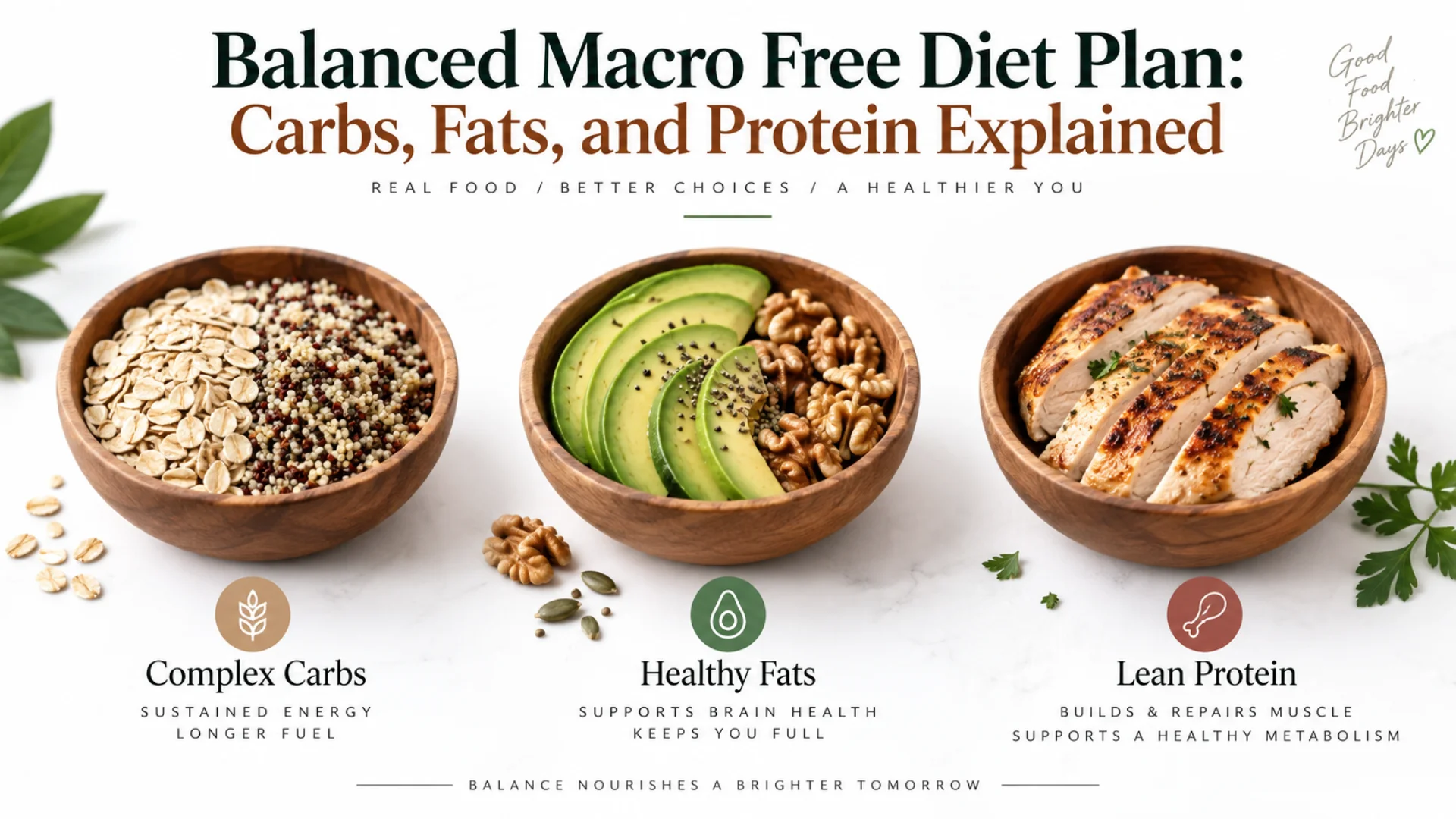
A balanced nutritional routine includes all three macronutrients in moderate proportions. This plan typically features complex carbohydrates, lean proteins, and unsaturated fats.
Primary Focus: Brown rice, sweet potatoes, lean meats, fruits, and healthy fats.
Main Benefit: High physical energy for intense exercise and long-term sustainability.
Best Suited For: Active individuals, athletes, and anyone who prefers flexible eating.
Following a balanced free diet routine prevents restrictive feelings that lead to diet fatigue. Furthermore, keeping complex carbs in your menu supports optimal thyroid function and workout performance.
Essential Factors for Long-Term Success
Choosing between these strategies depends entirely on your daily habits and personal preferences. The fastest diet is always the one you can follow consistently without quitting. According to dietary guidance from the National Institutes of Health, sustaining a moderate energy deficit over time is the true driver of long-term body fat reduction.
Additionally, prioritizing sleep and drinking enough water supports metabolic health under either approach. You can also explore our guide on clean eating principles to learn how whole ingredients improve digestive efficiency.
Frequently Asked Questions
Q: Will I regain weight after stopping a free low carb diet plan?
A: You may notice a slight scale increase due to glycogen and water replenishment. However, as long as your calories remain balanced, you will not regain body fat.
Q: Which diet plan is better for intense workout performance?
A: A balanced diet routine generally supports high-intensity exercise better because carbohydrates provide immediate energy for heavy muscle exertion.
Q: Can I alternate between low-carb and balanced eating days?
A: Yes, this strategy is known as carb cycling. It allows you to enjoy carbohydrates on intense workout days while keeping carbs low on rest days.
Q: How fast can I expect to see visible fat loss results?
A: Most individuals notice changes in bloating within 7 days. Visible body composition shifts usually appear after 3 to 4 weeks of consistent adherence.