
Persistent joint discomfort can significantly restrict daily mobility and diminish your overall quality of life. Whether caused by wear and tear, previous injuries, or systemic inflammation, managing joint pain requires a multi-faceted approach. Incorporating targeted, anti-inflammatory natural remedies for joint pain helps soothe discomfort, protect cartilage, and restore joint flexibility without relying solely on pharmaceutical solutions.
One of the most effective ways to combat inflammation is through functional nutrition. Integrating anti-inflammatory foods, gentle daily movement, and natural recipes—such as a nutrient-packed anti-inflammatory smoothie—supports long-term joint health from the inside out.
Feature Recipe: Anti-Inflammatory Cinnamon Pineapple Smoothie for Joint Relief
This targeted smoothie recipe combines ingredients clinically recognized for reducing tissue swelling and joint stiffness. Pineapple contains bromelain, a powerful enzyme known to reduce inflammation, while cinnamon and ginger provide antioxidant support.
Smoothie Ingredients:
- 1.5 cups fresh pineapple chunks: Rich in natural bromelain to help ease joint swelling.
- 1/2 teaspoon Ceylon cinnamon: Packed with polyphenols that inhibit inflammatory pathways.
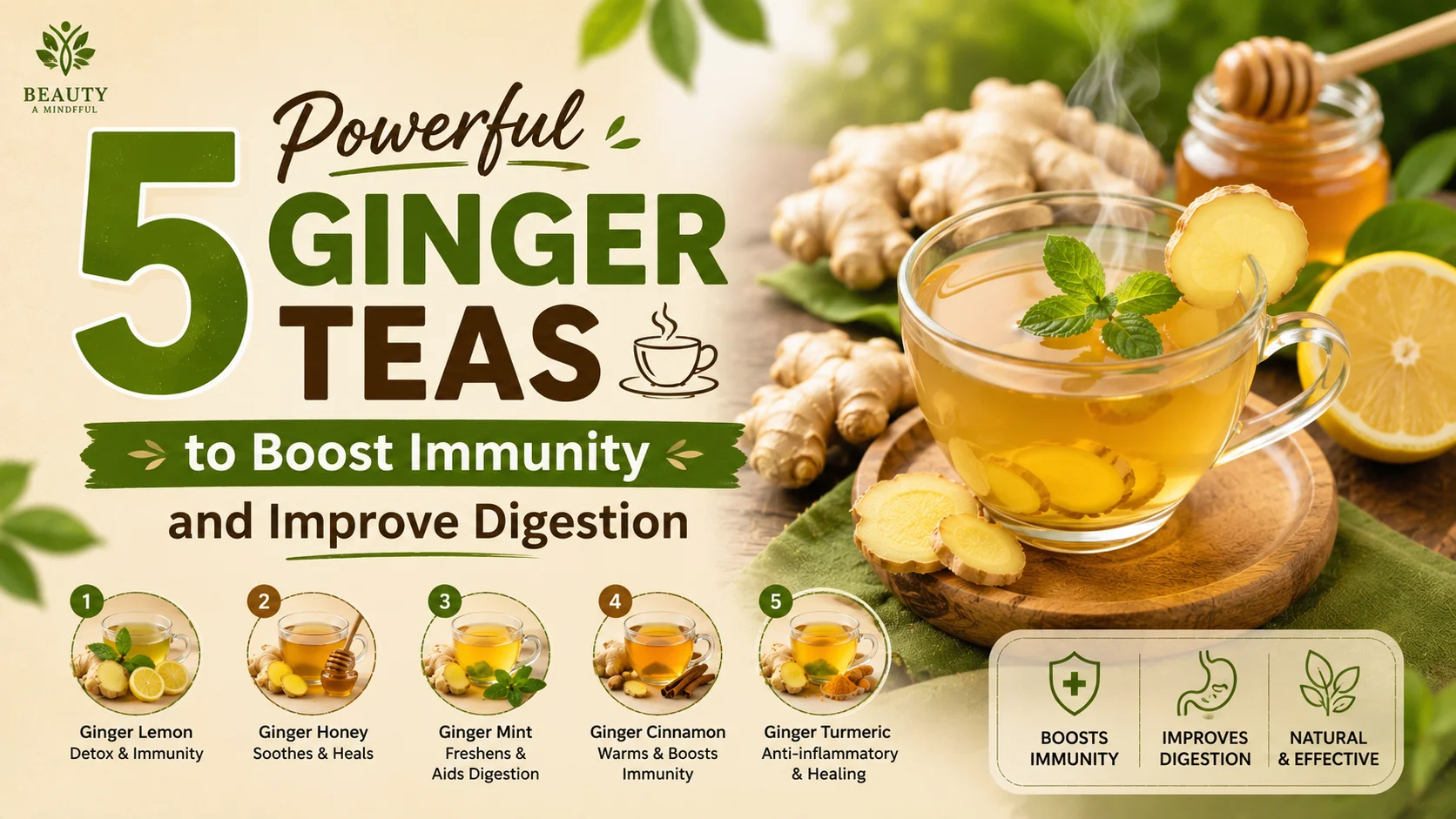
- 1/2 inch fresh ginger root (or 1/2 tsp ground ginger): Contains gingerols that act as natural pain relievers.
- 1/2 teaspoon organic turmeric powder: Delivers curcumin to combat systemic stiffness.
- 1 pinch black pepper: Essential for increasing curcumin absorption by up to 2,000%.
- 1 cup unsweetened coconut water or almond milk: Keeps cartilage hydrated.
- 1 tablespoon chia seeds or ground flaxseeds: Provides essential Omega-3 fatty acids.
Preparation Instructions:
- Add the coconut water, pineapple chunks, fresh ginger, turmeric, cinnamon, black pepper, and chia seeds into a high-speed blender.
- Blend on high for 60 to 90 seconds until the mixture is smooth and creamy.
- Pour into a glass and enjoy immediately in the morning to support joint mobility throughout the day.
Understanding Common Causes of Joint Pain
Joint pain can affect any part of the body, including the knees, hips, elbows, and fingers. Identifying the underlying cause helps in selecting the most effective natural care strategy:
- Osteoarthritis: The progressive breakdown of protective cartilage between bones due to wear and tear over time.
- Rheumatoid Arthritis: An autoimmune response where the body’s immune system mistakenly attacks joint linings.
- Gout: Painful joint inflammation caused by the accumulation of uric acid crystals, typically affecting the big toe.
- Bursitis and Tendinitis: Inflammation of the fluid-filled sacs (bursae) or tendons surrounding the joints due to repetitive movement.
Core Natural Strategies to Ease Joint Discomfort
1. Emphasize an Anti-Inflammatory Diet
What you eat directly impacts inflammatory markers in your blood. Alongside functional beverages like our Cinnamon Pineapple Smoothie, focus on a whole-food diet rich in Omega-3 fatty acids (found in wild-caught salmon, walnuts, and flaxseeds) and dark leafy greens. Reduce intake of processed sugars, refined carbohydrates, and trans fats, which trigger systemic inflammatory responses.
2. Utilize Targeted Herbal Remedies
Botanic options provide systemic support for joint health:
- Turmeric (Curcumin): Inhibits inflammatory enzymes (COX-2) to lower pain and morning stiffness.
- Boswellia (Indian Frankincense): Prevents the formation of leukotrienes, compounds that trigger joint inflammation.
- Devil’s Claw: A traditional African herb shown to alleviate back, hip, and knee discomfort.
3. Apply Topical Essential Oils for Localized Relief
Diluting therapeutic essential oils in a carrier oil (such as jojoba or sweet almond oil) and gently massaging them onto affected joints provides localized comfort. Eucalyptus oil improves micro-circulation, peppermint oil offers a cooling analgesic effect, and frankincense oil helps soothe localized swelling.
4. Practice Low-Impact Exercise and Hydrotherapy
Resting an injured joint is necessary during acute flare-ups, but prolonged inactivity worsens stiffness. Engage in gentle, low-impact movements to keep joints lubricated:
- Swimming and Aqua Aerobics: Water buoyancy supports body weight, allowing full range of motion without joint impact.
- Walking: Strengthens supportive leg muscles and keeps knee joints flexible.
- Yoga and Tai Chi: Improves balance, joint mobility, and posture while reducing physical tension. Pair these movements with daily wellness rituals for holistic health benefits.
5. Alternate Heat and Cold Therapy
Use targeted temperature management to address specific types of joint discomfort:
- Heat Therapy: Apply a warm heating pad or warm towel for 15–20 minutes to relax tight muscles and ease stiff, non-swollen joints.
- Cold Therapy: Apply an ice pack wrapped in a cloth for 10–15 minutes to numb sharp pain and reduce acute swelling or post-exercise inflammation.
Lifestyle Habits That Protect Joint Integrity
Long-term joint care involves everyday habits that protect cartilage and bone health:
- Maintain Healthy Hydration Levels: Joint cartilage consists of roughly 80% water. Proper hydration keeps the synovial fluid lubricated, cushioning joints during movement.
- Manage Body Weight: Every extra pound of body weight exerts roughly four pounds of additional pressure on your knee joints during daily activities.
- Prioritize Restorative Sleep: Tissue repair and cellular recovery occur primarily during deep sleep stages, making restful sleep crucial for lowering chronic inflammation.
Final Thoughts
Relieving joint discomfort naturally requires consistency, patience, and a balanced lifestyle approach. By combining anti-inflammatory nutrition—like our Cinnamon Pineapple Smoothie—with gentle movement, natural herbs, and proper joint care, you can protect your mobility and maintain an active life.