
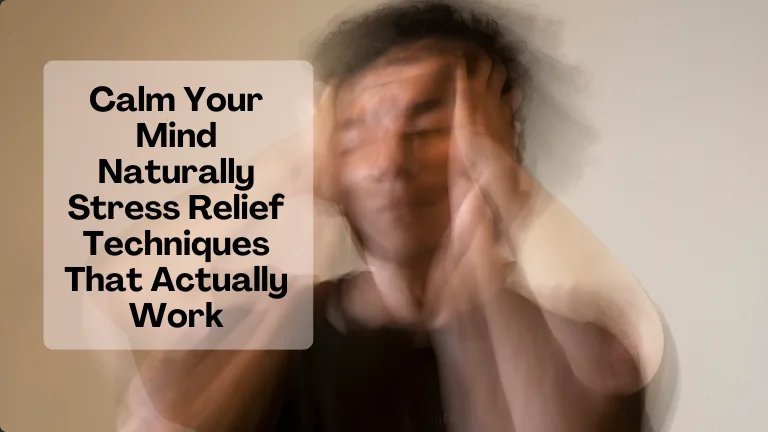
Stress is an inevitable part of modern life. Between workplace deadlines, personal responsibilities, and constant digital connectivity, the body’s natural alarm systems can quickly become overwhelmed. Learning to practice natural stress relief techniques allows you to soothe your nervous system, protect long-term mental health, and regain internal balance without relying solely on pharmaceuticals.
Integrating intentional practices into your schedule—such as adopting daily mindfulness rituals for mental health—provides immediate relief while building long-term emotional resilience.
Understanding How Chronic Stress Affects the Body
When your brain perceives a threat, it activates the sympathetic nervous system—triggering the classic fight-or-flight response. Adrenal glands release cortisol and adrenaline, elevating heart rate, tightening muscles, and heightening blood pressure to prepare you for physical action.
While this mechanism is beneficial during acute danger, chronic activation caused by daily worries leads to significant physiological strain. Prolonged exposure to cortisol contributes to persistent fatigue, heightened anxiety, cognitive fog, digestive disruption, and sleep disturbances. Calming the nervous system requires intentionally activating the parasympathetic (“rest and digest”) response.
5 Science-Backed Natural Stress Relief Techniques
1. Diaphragmatic and 4-7-8 Breathing Exercises
Controlled breathwork directly stimulates the vagus nerve, sending immediate signals to the brain to lower heart rate and blood pressure. One of the most effective methods is the 4-7-8 breathing technique:
- Inhale quietly through your nose for 4 seconds.
- Hold your breath gently for a count of 7 seconds.
- Exhale completely through your mouth with a soft “whoosh” sound for 8 seconds.
Repeating this cycle four times acts as a natural tranquilizer for the nervous system, making it an excellent exercise during moments of acute anxiety or right before sleep.
2. Mindfulness Meditation for Mindful Awareness
Practicing mindfulness for stress involves training your attention to remain anchored in the present moment without judging your immediate thoughts or emotions. Instead of getting caught in distressing mental loops about the future or past, mindfulness allows you to observe thoughts objectively.
Clinical studies show that committing to just 10 minutes of daily mindfulness meditation reduces gray-matter density in the amygdala (the brain’s fear center), improving emotional regulation, concentration, and stress coping mechanisms.
3. Intentional Physical Movement and Somatic Release
Physical movement serves as a natural outlet for built-up stress hormones. Engaging in moderate exercise—such as brisk walking, yoga, cycling, or swimming—promotes the release of endorphins, neurotransmitters that elevate mood and act as natural pain relievers.
Somatic practices like gentle yoga or progressive muscle relaxation specifically target areas where physical tension accumulates (such as the jaw, shoulders, and lower back), signaling safety to the brain.
4. Forest Bathing and Nature Immersion
Spending time in green spaces—a practice known in Japan as Shinrin-yoku or “forest bathing”—significantly decreases circulating cortisol and blood pressure levels. According to research highlighted by the American Psychological Association, spending as little as 20 minutes outdoors daily calms mental fatigue and restores attention capacity.
5. Expressive Journaling and Brain Dumps
Writing down persistent worries externally transfers racing thoughts out of your working memory onto paper. Taking 5 to 10 minutes each evening to write a “brain dump” helps identify recurring stress triggers, organize complex emotions, and put daily challenges into objective perspective.
Lifestyle Habits That Build Long-Term Nervous System Resilience
While acute techniques soothe sudden anxiety, foundational lifestyle habits dictate your baseline stress tolerance:
- Prioritize Sleep Hygiene: Maintain a consistent sleep schedule to support cellular repair and neurological recovery.
- Nourish with Balanced Whole Foods: Avoid blood sugar spikes caused by excess refined sugars, which can mimic the physiological symptoms of anxiety.
- Establish Work-Life Boundaries: Set firm finish times for your workday and create tech-free zones during dinner and winding-down hours.
- Integrate Relaxing Self-Care Practices: Combining stress management with relaxing routines—such as using budget-friendly natural beauty tips—enhances personal care and daily relaxation.
Final Thoughts
Managing daily stress is not about eliminating all life challenges—it is about cultivating reliable tools to navigate them smoothly. By regularly practicing deep breathing, mindfulness, exercise, and expressive writing, you can naturally soothe your nervous system and cultivate lasting emotional well-being.