Over the past few decades, processed sweeteners have invaded modern diet trends, quietly displacing traditional whole food ingredients. Among these industrial additives, high fructose corn syrup stands out as one of the most widely consumed ingredients in commercial food production. Found in everything from fizzy sodas and fruit juices to commercial baked goods and salad dressings, this artificial sweetener plays a major role in the growing rates of metabolic dysfunction.
Understanding how high fructose corn syrup affects your body requires looking beyond simple calorie counting. Unlike regular glucose, which every cell in your body can burn for energy, fructose follows an entirely different metabolic pathway. This distinction fundamentally alters how your liver processes calories, driving rapid fat accumulation, insulin resistance, and daily energy slumps.
Metabolic Differences: Fructose vs. Glucose Processing
To grasp why high fructose corn syrup harms metabolic health, it helps to examine how your body breaks down different simple sugars.
When you consume complex carbohydrates or pure glucose, your pancreas releases insulin. Insulin helps transport that glucose into your bloodstream, muscle tissues, and brain cells to be used immediately for physical fuel. Any excess energy gets stored as glycogen in your muscle fibers for later physical exertion.
However, your body processes liquid fructose in a completely different manner:
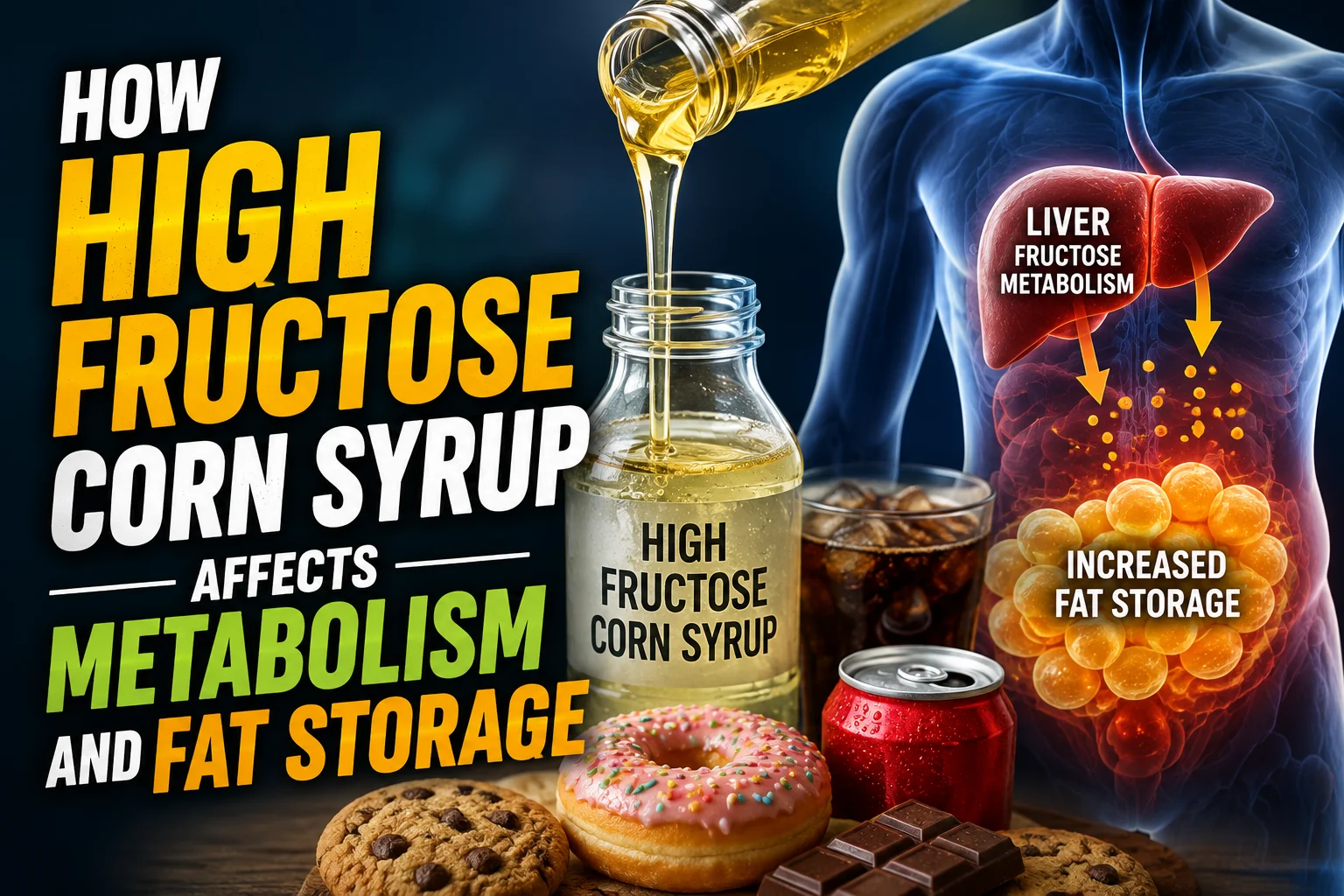
Direct Liver Overload: Nearly 100% of consumed fructose travels straight to your liver for processing. When you consume large amounts through soft drinks or processed snacks, your liver becomes overwhelmed by the sudden influx of energy.
Rapid Fat Synthesis (De Novo Lipogenesis): Instead of converting excess fructose into stored glycogen, your liver rapidly converts it into triglycerides. These fats are either stored directly inside liver cells or released into the bloodstream as visceral body fat.
Bypassing Satiety Hormones: Fructose does not trigger the natural release of insulin or leptin—the primary hormones responsible for telling your brain that you are full. Consequently, you can consume hundreds of calories without feeling satisfied.
The Major HFCS Health Risks You Need to Know
Regularly consuming industrial sweeteners creates systemic stress across your organ systems. Exploring primary hfcs health risks demonstrates why eliminating processed sugars is a vital step toward long-term physical wellness.
▼
▼
1. Non-Alcoholic Fatty Liver Disease (NAFLD)
Because the liver converts liquid fructose into fat at a rapid pace, excess consumption leads directly to fat accumulation within liver tissue. Over time, this fat accumulation causes chronic low-grade inflammation, liver cell damage, and impaired metabolic function.
2. Visceral Fat Accumulation Around Organs
Unlike subcutaneous fat, which sits just below the skin, visceral fat wraps around vital internal organs within your abdominal cavity. High consumption of high fructose corn syrup specifically accelerates visceral fat storage, which raises the risk of cardiovascular disease and metabolic syndrome.
3. Insulin Resistance and Type 2 Diabetes
Constant liver overload impairs your body’s ability to handle circulating blood sugar. As liver fat accumulates, your pancreas must produce higher amounts of insulin to manage blood glucose levels. Eventually, muscle tissue and organs become resistant to insulin signals, laying the groundwork for type 2 diabetes.
4. Elevated Uric Acid and Systemic Inflammation
The metabolic breakdown of fructose in liver cells depletes cellular energy (ATP), producing high levels of uric acid as a byproduct. Elevated uric acid increases systemic arterial inflammation, elevates blood pressure levels, and can cause painful joint flare-ups like gout.
Uncovering Hidden Sugars in Food Packaging
One of the biggest challenges in removing high fructose corn syrup from your routine is that food manufacturers conceal sweet additives under technical names. Learning to identify hidden sugars in food labels empowers you to make cleaner choices at the grocery store.
| Common Label Alias | Typical Product Source | Primary Health Impact |
| High Fructose Corn Syrup (HFCS-55) | Carbonated soft drinks, sweetened teas | Rapid liver fat accumulation |
| Isoglucose / Maize Syrup | Commercial breads, baked pastries | High glycemic stress and gut irritation |
| Glucose-Fructose Syrup | Condiments, marinades, salad dressings | Hidden caloric intake without satiety |
| Concentrated Fruit Juice Solids | Processed fruit snacks, flavored yogurts | Unbalanced fructose overload |
Always check the ingredient list on packaged products. If any version of liquid syrup appears within the top five listed ingredients, that item is heavily loaded with added sugars.
4 Practical Steps to Eliminate HFCS and Reset Your Metabolism
Reversing the metabolic impact of artificial sweeteners requires eliminating processed food traps and replacing them with clean, nutrient-dense whole foods.
Replace Sugary Beverages with Botanical Infusions: Swap sodas, energy drinks, and commercial fruit juices for clear water or warm herbal tea brewed with whole ingredients.
Prioritize Whole Unprocessed Foods: Base your daily nutrition around whole foods like fresh leafy greens, sweet potatoes, wild fish, eggs, and organic berries that contain natural fiber to slow sugar absorption.
Cook Homemade Condiments: Avoid store-bought sauces loaded with hidden liquid sugars by preparing simple homemade dressings using extra virgin olive oil, fresh lemon juice, and sea salt.
Read Every Nutrition Label Carefully: Check ingredient panels for terms like corn sweetener, high fructose corn syrup, or fruit juice concentrate before placing items into your cart.
Holistic Health: Reversing Metabolic Stress with Clean Habits
Eliminating high fructose corn syrup is one of the single best decisions you can make for your liver health, energy levels, and long-term body composition. However, optimizing your metabolism requires a comprehensive strategy that combines clean ingredients with balanced daily nutrition.
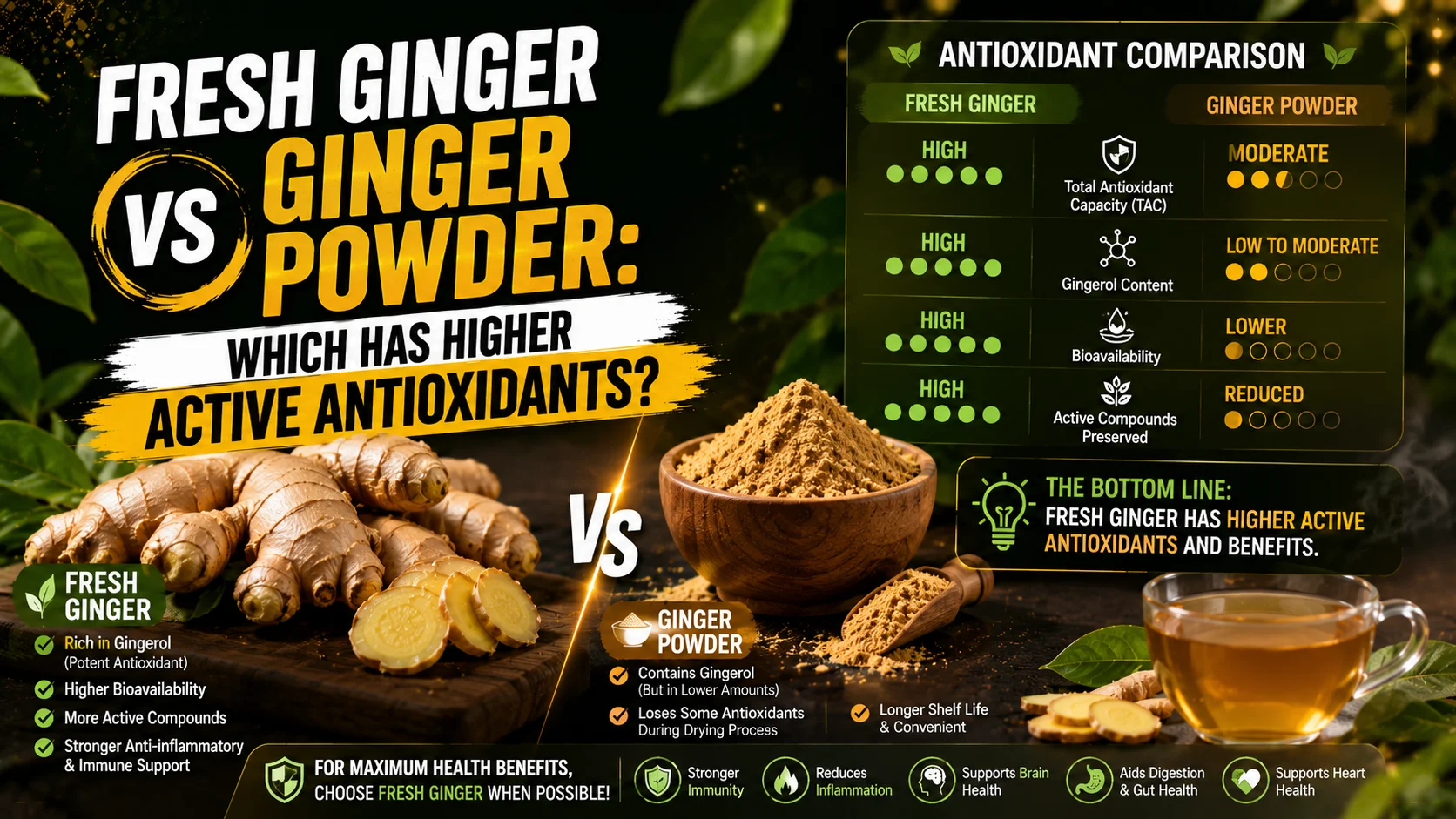
If you are recovering from heavy sugar consumption and want to soothe your digestive tract, learn about the daily ginger tea benefits for gut health and bloating to restore stomach comfort naturally. You can also explore our comparison of fresh ginger vs ginger powder for active antioxidants to choose the right natural anti-inflammatory spice for your daily meals. For external wellness, see how whole anti-inflammatory foods support clear skin in our guide on top ginger benefits for skin and DIY face masks.
Furthermore, maintaining a healthy weight and reversing metabolic damage requires knowing your personal energy demands. Use our free AI diet plan generator to calculate your exact daily macronutrients in seconds. To understand why standard diets fail when cutting out sugars, read why generic meal plans fail and how AI personalizes macros. You can also check our guide on how to automate a 7-day clean eating meal prep to keep your kitchen free from hidden packaged sugars every week.
For local health updates or to visit our physical space, explore our Beauty and Mindful location profile.
Frequently Asked Questions
Why is high fructose corn syrup worse than regular sugar?
While both table sugar and high fructose corn syrup contain roughly equal parts glucose and fructose, the fructose in HFCS is unbound and free. Consequently, your body absorbs it much faster, causing an immediate, heavy workload for your liver.
How does HFCS increase stubborn body fat?
Liquid fructose bypasses standard satiety hormones and travels straight to the liver, where it is converted into triglycerides. This process drives rapid fat accumulation, particularly around your abdominal organs as visceral fat.
Can removing hidden sugars in food help lower liver fat?
Yes. Studies show that cutting out added fructose and packaged sugars leads to measurable reductions in liver fat accumulation and improvements in insulin sensitivity within just a few weeks.
Which packaged foods contain hidden high fructose corn syrup?
Beyond obvious sources like soda and candy, high fructose corn syrup is commonly hidden in commercial ketchup, barbecue sauces, salad dressings, canned soups, breakfast cereals, and store-bought bread products.