Creating a sustainable approach to nutrition is one of the most effective ways to reduce body fat without sacrificing daily energy. Many people try extreme restriction, only to regain weight once normal habits return. Learning how to build a free diet plan allows you to take control of your nutritional intake without relying on expensive coaches or pre-packaged program subscriptions. Implementing a proven fat loss meal strategy ensures that your body receives essential nutrients while maintaining a steady caloric deficit over time.
Adopting a structured custom diet routine removes the confusion from daily eating choices. When meals are organized around wholesome ingredients, hunger spikes decrease and metabolic performance remains stable. Understanding energy balance, macronutrient distribution, and meal preparation helps you form healthy habits that last. By taking a thoughtful approach, you can achieve visible body composition improvements while still enjoying satisfying, nutrient-dense foods every day.
How a Free Diet Plan Supports Fat Loss
Sustained body composition changes rely entirely on consistency rather than short-term deprivation. A well-designed free diet plan helps you manage daily energy intake while preserving lean muscle mass during a calorie deficit. When you calculate your baseline needs, you can generate a tailored free diet plan based on your body composition to ensure you burn fat efficiently without causing physical fatigue or metabolic slowdown.
Following a clear roadmap eliminates decision fatigue during busy weekdays. Instead of wondering what to prepare after a long day, having pre-planned choices keeps your daily routine on track. A reliable free diet plan gives you full control over ingredient quality, portion sizes, and meal timing. This intentional approach prevents impulsive snacking and keeps your weekly progress steady.
Designing Your Fat Loss Meal Strategy
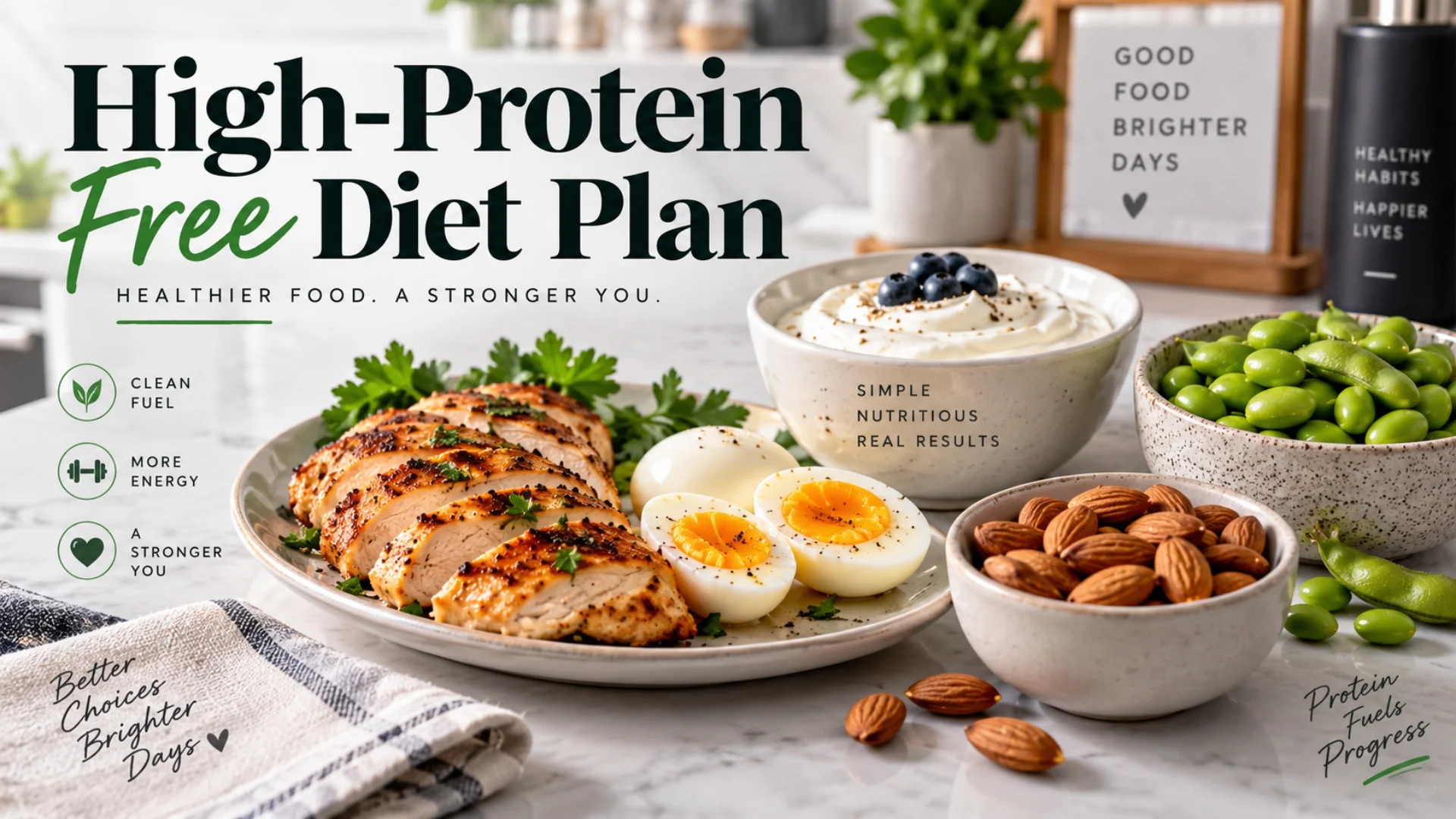
Building a successful eating framework starts with selecting the right combination of whole foods. Protein sources like eggs, chicken, fish, tofu, and legumes are essential for muscle recovery and long-lasting fullness. Complex carbohydrates such as oats, sweet potatoes, and brown rice provide steady physical energy, while healthy fats from olive oil, avocados, and seeds support joint function and hormone balance.
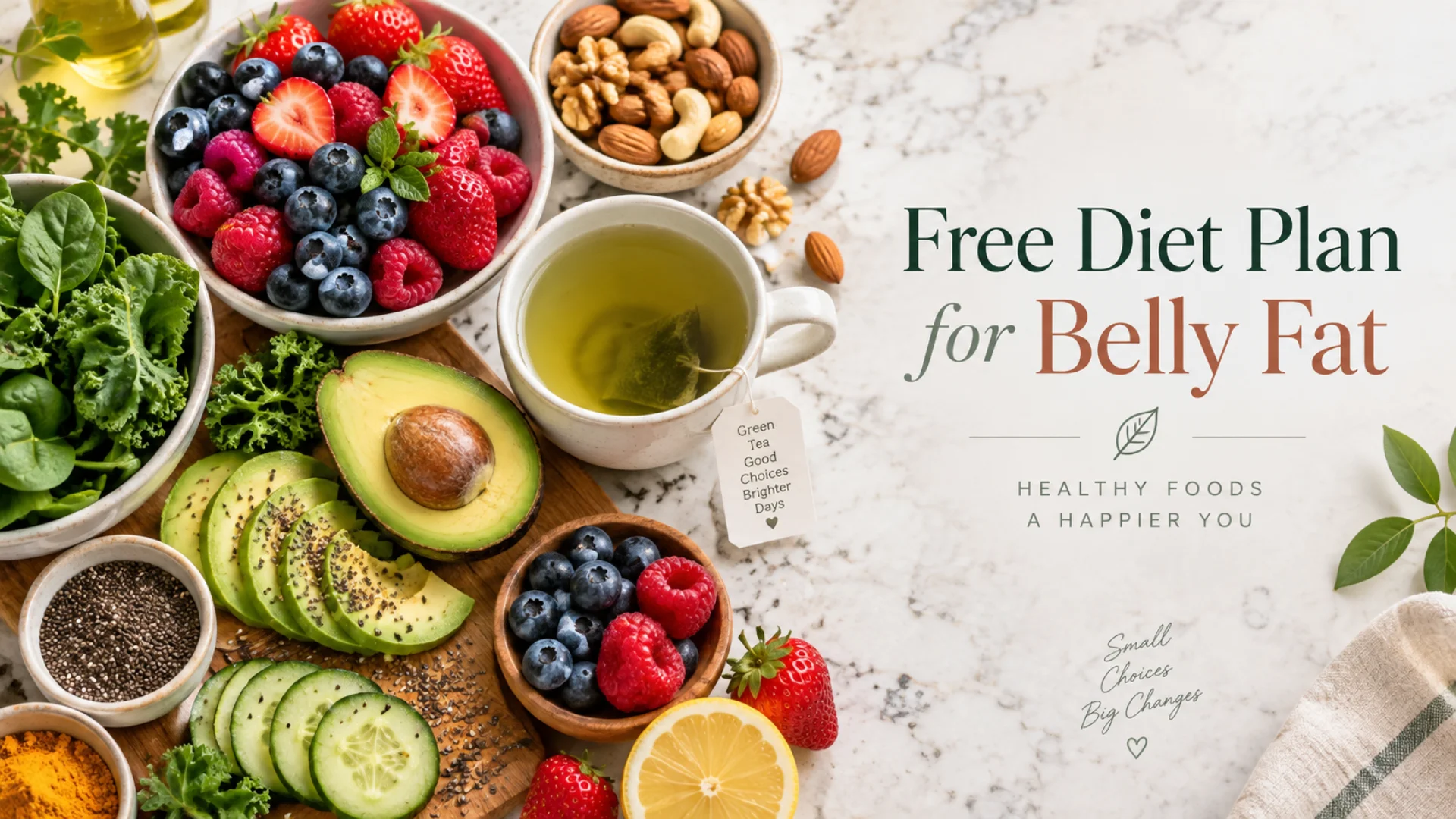
Integrating these nutrient groups into a balanced fat loss meal strategy ensures optimal health throughout your journey. Breakfast could feature rolled oats cooked with water, topped with berries and chia seeds. Lunch might consist of grilled chicken breast alongside steamed broccoli and a small serving of quinoa. Dinner can highlight baked salmon served with roasted zucchini and a fresh side salad. Choosing high-volume, fiber-rich foods helps maintain fullness throughout the day.
Establishing a Custom Diet Routine for Long-Term Success
Habit formation is the key to maintaining physical progress after reaching your target weight. Establishing a practical custom diet routine makes healthy eating automatic rather than stressful. Preparing staple ingredients on weekends—such as cooking bulk grains, chopping fresh vegetables, and prepping lean proteins—saves time and keeps healthy choices readily accessible.
Proper hydration is another critical element of an effective custom diet routine. Drinking sufficient water throughout the day aids digestion, supports kidney function, and prevents dehydration signals that are often mistaken for hunger. According to public health guidance from the National Institutes of Health, prioritizing whole foods and adequate hydration creates a solid foundation for overall metabolic health. You can also explore our guide on anti-inflammatory meal approaches to learn how clean nutrition supports digestive efficiency.
Overcoming Obstacles with Your Free Diet Plan
Weight loss plateaus happen naturally as your body adapts to lower calorie levels. When physical progress slows, minor adjustments to portion sizes or daily activity levels can help restart momentum. Avoid extreme starvation tactics, as they lead to muscle loss and severe energy crashes. Sticking to a structured free diet plan ensures your body receives enough fuel to thrive while remaining in a mild, sustainable caloric deficit.
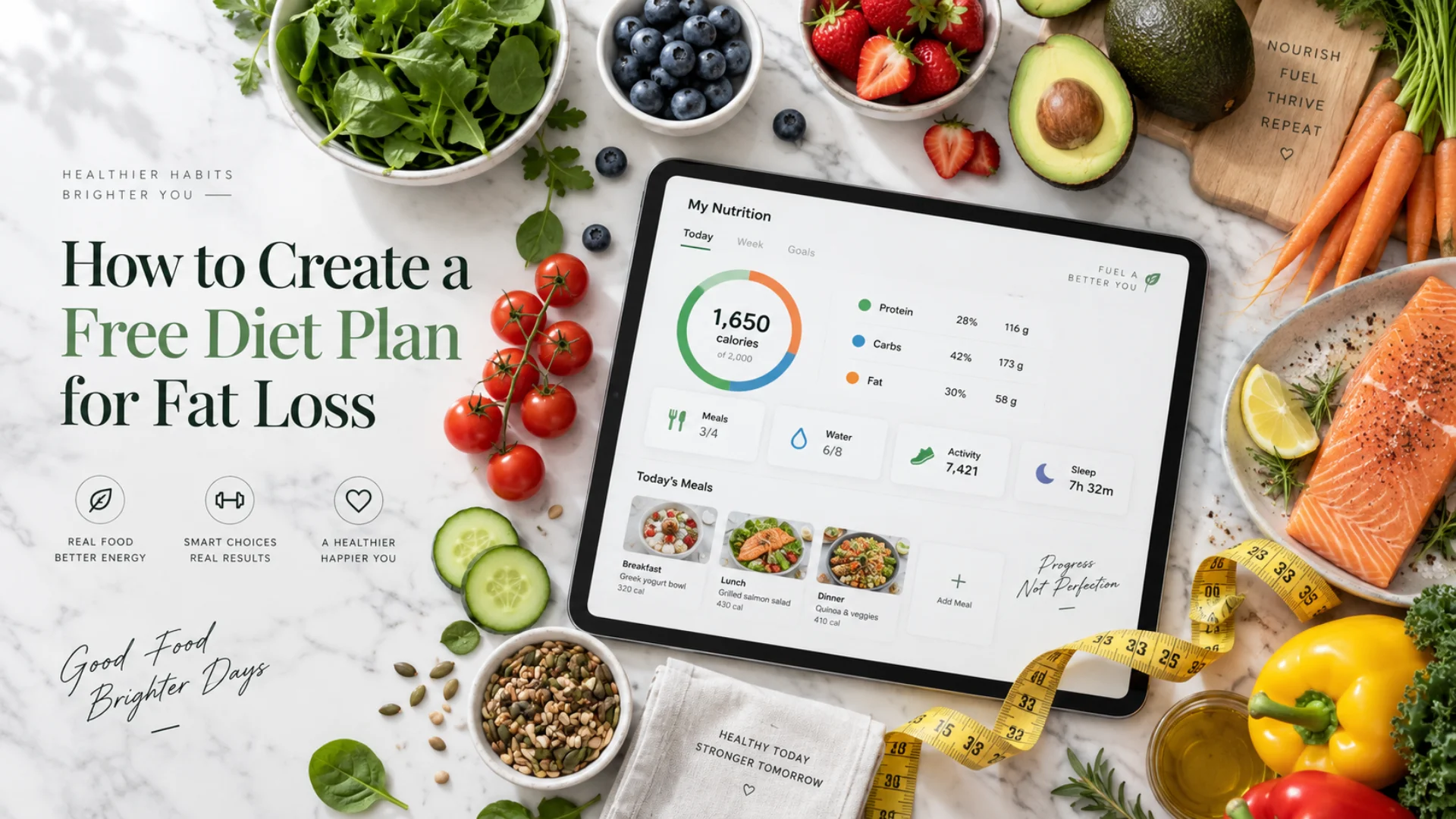
Tracking your physical measurements alongside body weight provides a clearer picture of fat loss progress. Factors like fluid balance and stress levels cause normal daily weight fluctuations that should not cause concern. By staying patient and maintaining consistency, your steady habits will yield lasting physical transformation over time.
Frequently Asked Questions
Q: How do I know if my calorie deficit is correct for fat loss?
A: A safe target is typically a deficit of 300 to 500 calories below your maintenance energy level. This range promotes steady fat loss without causing muscle wasting or severe hunger.
Q: Can I follow a free diet plan if I have dietary restrictions?
A: Yes, you can easily adjust ingredient selections to accommodate plant-based, gluten-free, or dairy-free preferences while keeping the overall macronutrient targets consistent.
Q: How long does it take to notice physical changes?
A: Most individuals notice changes in energy and digestion within two weeks, while visible physical updates generally appear after three to four weeks of consistent adherence.
Q: Is it necessary to cut out carbohydrates completely to drop fat?
A: No, carbohydrates provide essential fuel for physical activity. Selecting complex, high-fiber sources allows you to lose fat while keeping daily energy levels stable.
Q: How often should I update my meal plan?
A: It is helpful to review your caloric needs every four to six weeks or after losing 5 to 10 pounds, as your baseline energy expenditure will decrease slightly as your body weight drops.